Journal of Entrepreneurship and Business Development
Volume 4, Issue 1, Dec 2024, Pages 7-24
A bibliometric analysis of the application of blue ocean strategy in enhancing SME reputation
DOI: 10.18775/ijmsba.1849-5664-5419.2014.XX.100X
URL: http://dx.doi.org/10.18775/ijmsba.1849-5664-5419.2014.XX.100X
1Esther Josua, 2*Asa Romeo Asa, 3Johanna Pangeiko Nautwima
1Namibia Business School, University of Namibia, Windhoek 98604, Namibia
2,3Namibian-German Institute for Logistics, Namibia University of Science and Technology, Windhoek 13388, Namibia
Abstarct: Reputation has become a critical determinant of competitiveness and legitimacy for small and medium-sized enterprises (SMEs), and recent scholarship has increasingly explored the role of Blue Ocean Strategy (BOS) in this process. This study provides a bibliometric review of academic scholarship on BOS and SME reputation, drawing on 360 publications indexed in Scopus. Using performance analysis, citation mapping, and keyword co-occurrence techniques, the study identifies the most influential authors, institutions, journals, and countries, as well as the dominant themes shaping this multidisciplinary field. The results show that scholarship is concentrated in journals such as Sustainability and the Journal of Cleaner Production, while countries like the United Kingdom, United States, Spain, and China lead in productivity and global collaborations. Thematic analysis highlights SMEs, corporate social responsibility (CSR), innovation, sustainability, and reputation as central research clusters, reflecting the convergence of strategic positioning and reputational capital in SME contexts. The findings underscore the growing integration of BOS with CSR and sustainability-driven strategies as pathways to strengthen SME resilience and long-term performance. This review contributes to the literature by mapping the intellectual structure of the field, identifying research gaps, and offering guidance for future studies on how BOS can support SMEs in sustaining competitiveness and reputation in dynamic markets.
Keywords: SMEs, small and medium enterprises, reputation, brand image, corporate image, public perception, bibliometric analysis
1. Introduction
Many people believe that small and medium-sized businesses (SMEs) are the main drivers of economic expansion. They are found in a variety of areas and industries, with different countries having different maximum employee counts (Times of Oman, 2020). For example, SMEs account for up to 40% of GDP and 60% of all jobs in developing countries (Amoah et al. 2022). SMEs are important forces behind economic development and societal advancement because of their ability to adapt, flexibility, and innovative potential (Dvorsky et al. 2024). Additionally, SMEs can react swiftly to market shifts and embrace new technology since they are frequently more agile than larger businesses. This is crucial for creating a vibrant and competitive economic environment (North et al. 2020; OECD 2019). Entrepreneurs in the field of SMEs need training in effective business management to manage their companies more professionally. This is because SMEs, particularly those that are still in the first-generation pioneering phase, need managerial dexterity to grow, develop, and survive (Rangkuty & Zulmi, 2020).
Reputation is frequently defined as a strategic intangible asset that enhances the company's worth and a competitive edge in the marketplace. A good reputation could contribute significantly to the nation's socioeconomic development as well as to the business revenue (Potocki & Wierzbiński, 2014). A Blue Ocean market refers to the creation of an entirely new market for an innovative product or service. As the business is establishing a new market and introducing a novel product or service inside that market, there is initially no rivalry (Kim and Mauborgne, 2005). Essentially, it represents a vast and untapped market with untapped potential (Mirghaderi et al., 2023). According to Chakrabarti (2014), the Blue Ocean Marketing Strategy (BOMS) is one tactic that helps a firm advance toward profitability. It provides profits for a company and justifies rapid growth, which creates demand in a new market. Studies examining BOS in the context of SMEs have significantly increased, according to recent comprehensive literature assessments. For example, a thorough analysis of 72 articles published since 2010 by Awladthani et al. (2023) showed a steady increase in publications over time. According to the data, over 21% of these studies concentrated on how BOS helps SMEs get a competitive edge, while 11% looked at how it affects value innovation. This pattern is indicative of growing scholarly interest in the ways that SMEs might use BOS to promote long-term performance and growth. Comprehensive bibliometric evaluations that quantitatively evaluate the evolution, composition, and dynamics of BOS research in SMEs are still lacking, despite the expanding amount of literature. A bibliometric analysis would provide important information on publication patterns, important authors and organizations that contribute, common research topics, and cooperative networks. Finding research gaps, directing practitioners and policymakers in the efficient application of BOS in the SME sector, and influencing future studies all depend on this kind of analysis. Considering all these concerns, a thorough bibliometric analysis is necessary to provide further understanding into the specifics and trends in the field. Two research questions were addressed using clustering, keyword mapping, and performance analysis:
- RQ1: Which are the most influential authors, documents, institutions, sources, and countries regarding the application of Blue Ocean Strategy in enhancing SME reputation?
- RQ2: What are the current research themes in the literature on the application of Blue Ocean Strategy for enhancing SME reputation?
2. Theoretical background
Small and medium-sized businesses (SMEs) are the foundation of many economies. Traditional corporate management techniques frequently fall short in addressing the dynamic nature of competition as global markets grow and consumer preferences change, which results in firm performance stagnation or decline (Adamu & Palladan, 2024). Small and medium-sized businesses play an important role in society by creating jobs, raising living standards, increasing income, reducing rural-urban migration, fostering economic growth, and lowering crime rates. Nevertheless, SMEs continue to perform worse even though they play a vital role in reducing poverty and unemployment rates (Samson & Philip,2024). SMEs face barriers such as financial limitations, market saturation and regulatory hurdles that make it more difficult for SMEs to prosper in fast-paced, cutthroat markets. It is impossible to exaggerate the significance of SMEs to the economy. They contribute significantly to the Gross Domestic Product (GDP) and make up a sizable share of all employment in many nations. Additionally, SMEs are essential for promoting innovation, encouraging entrepreneurship, and aiding local communities (DiBella et al., 2023). Attracting talent can be challenging due to the lack of specialized skills, especially in the technology sector, and intense competition from big businesses that can provide better pay and benefits. Small and medium-sized businesses also frequently lack the employer branding and visibility needed to draw in top personnel. In this situation, creating a powerful and unique employer brand is crucial to competing fairly (Jooss & Burbach, 2023). SMEs are under increased pressure to implement creative tactics that can help them rethink their competitive edge and handle the challenging business environment (Adamu & Palladan, 2024).
Schultz and Werner (2011) state that the opinions of stakeholders about a particular company and the real facts about the company, including its financial performance, management systems, business policies, and processes, should make up its reputation. As a result, reputation is linked to an organization's commercial identity, organizational culture, personality, and character, as well as to how people perceive and value the brand. Both internal (shaped by employees) and external (shaped by customers, suppliers, and recipients) factors play a role in this interaction. Reputation and trust are intertwined both inside and externally. Financial performance, management quality, business strategy, organizational structure, leadership quality, human resources, organizational culture, ethics, corporate social responsibility, product offer, brand image, innovation and value creation, and global reach are some of the aspects that make up reputation. Competitive advantage is positively impacted by reputation. Long-term company success can be fuelled by having a positive reputation, and losing one provides a barrier to that success (Sarjana & Khayati, 2017). While external stakeholders aid in establishing brand value, internal stakeholders enhance the reputation building process, which focuses on branding. Contentment with working with a certain company is a requirement for establishing these two crucial reputational foundations.
While it leads to stability and a rise in sales for external groups, it also results in a greater indication of employee retention (Wierzbinski & Potocki 2013). When a business meets or goes beyond the expectations of its stakeholders, it has a positive reputation; when it fails to satisfy stakeholder expectations, it has a negative reputation. As a result, the authors suggest the following reputation formula: Experience minus expectations equals reputation. Stakeholders assess the company's reputation at every stage by contrasting their expectations with the real experience of how it operates. When a firm's experience with established business goals, company principles and their application, and stakeholder expectations toward the company concerning these things are favourable, the company gains a positive reputation (Louisom et al. 2009). The current widespread practice of collaboration among large businesses affects the reputation of the participating companies in addition to enhancing their capabilities. Despite their limited resources and competencies, SMEs can also use partnership techniques (Wikaningrum et el., 2020). According to Wierzbinski & Potocki (2013) in the long run, having a positive reputation is very important when considering the following factors:
- client loyalty and consistent revenue growth in tandem,
- trust, loyalty to suppliers and business partners, affects the continuation of collaboration and the ensuing business opportunities,
- hiring valuable employees and keeping the present workforce at a high rate
- a favourable reputation among credit rating agencies and officials,
- boosting insurance and financial firms' credit dependability,
- quicker entry into emerging markets,
- enhanced recognition of the company's brand, its products, and services,.
Kim and Mauborgne (2005) created the Blue Ocean Strategy (BOS), which aims to eliminate competition by establishing unassailable markets. Raising, decrease, Removal, and Innovation are the four dimensions of the BOS. When combined, these factors allow businesses to provide distinctive value propositions that promote expansion and financial success (Adamu & Palladan, 2024). By expanding beyond current demand and opening new mass markets, blue ocean strategies are distinctive tactics used by businesses or organizations to render competition obsolete (Kim & Mauborgne, 1999). According to Kim and Mauborgne (2017), when businesses fight intensely, they wind up harming one another, creating a "red ocean" in the corporate world. More businesses are separating to establish new, untapped markets to avert intense rivalry for the current market (red oceans). They do this by using market insight, matching value innovation with prospects that have been identified, coordinating tactics and assets with potential, and controlling risks to enhance efficiency). In the aftermath of suppressed economic performance and increased competition, blue ocean strategies are at the centre of organizational operations. Businesses must keep adopting and putting into practice blue ocean strategies, especially those that value innovation, symmetry, market intelligence, and risk mitigation techniques, to capitalize on demand and increase productivity (Nautwima & Asa, 2021; Omido et al., 2024). BOS, according to Yunus et al. (2021), is the capacity of businesses to shift their focus from engaging in direct rivalry for market share or carrying out unending market segmentation to accomplish growth to investigating to find new client demands. It has been found that small enterprises like SMEs are better suited for the focus approach, also known as niching, which is a "blue-ocean strategy," out of all the competing strategies. "Market-nicher" techniques are another blue-ocean tactic. Where smaller businesses target niche markets that are of little or no interest to larger ones to avoid competing with them (Asa et al., 2023). As larger companies use their departments and divisions to specialize in a small number of markets, including those used by smaller companies, there is a risk that specialized marketing will quickly deteriorate. For this reason, if they have sufficient resources, smaller businesses are encouraged to diversify rather than focus on just one niche to survive (Koiler and Keller, 2009).
Entrepreneurs in the SMEs sector need to be trained in effective business management to run their companies more effectively. This is because SMEs, particularly those that are still in the first-generation groundbreaking phase, need managerial agility to flourish, advance, and endure (Nautwima & Asa, 2021; Rangkuty & Zulmi, 2020). Despite BOS's significance in helping SMEs achieve sustainable growth, there is a dearth of empirical data on how much BOS adoption affects the performance improvement and long-term expansion of SMEs. According to the study's findings by Chadarava, (2018), the organization's financial growth is significantly influenced by both autonomous and dependent elements, including value creation and financial performance. The application of the Blue Ocean Strategy has a beneficial effect on SMEs' competitiveness. The relationship between BOS and competitiveness is highly mediated by core competencies, indicating that internal skills improve the efficacy of BOS activities. The study emphasizes how crucial it is to match BOS with the growth of distinctive internal capabilities to enhance reputation and competitive edge. SMEs may stand out in the market and improve their standing with stakeholders and customers by developing distinctive value propositions using various strategies (Milezi et al., 2023), where the BOS is no exception. In addition to supporting BOS implementation, cultivating and leveraging distinctive internal capabilities helps maintain a consistent and trustworthy brand image, which enhances reputation (Eromafuru, 2022). SMEs may stand out in the market and improve their standing with stakeholders and customers by developing distinctive value propositions (Sun et al., 2024; Tjizumaue et al., 2023). In addition to supporting BOS implementation, cultivating and leveraging distinctive internal capabilities helps maintain a consistent and trustworthy brand image, which enhances reputation. The study by Adamu & Palladan (2024) concurs that niche marketing tactics and BOS affect the expansion of SMEs. The results show that BOS elements like value creation and innovation have a big influence on the performance and reputation of SMEs.
3. Methodology
Bibliometric analysis is the process of using numerical analyses and statistics on some bibliometric indicators (e.g., number of articles per year, most studied topics, universities with the most publications, top journals in the field, authors with the most papers, number of citations, and keywords) to obtain various scientific outputs from examining publications in a particular field or in a particular academic journal (Pritchard 1969; Ellegaard and Wallin 2015). Bibliometrics shows how useful it is for managing large volumes of scientific data and how it significantly contributes to the impact of research. The creation, availability, and accessibility of scientific databases like Google Scholar, Scopus, and Web of Science, as well as bibliometric tools like R and VOSviewer, are among the many factors that contribute to its popularity (Verma & Gustafsson, 2020). Other uses of bibliometric analysis include spotting new trends in the performance of articles and journals, patterns of collaboration, and research components, as well as examining how a specific discipline is intellectually constructed within the corpus of current literature (Passas, 2024).
As displayed in Table 1, the selection of English-language articles, journals, and conference papers served as the filter, excluding any additional literature that did not fit the secondary requirements. However, the search was restricted to the following themes: Economics and Social Sciences, Business, Management and Accounting, and Econometrics and Finance. There were 572 documents found in the SCOPUS database after the first search. But after a more thorough review of the publications, the researcher eliminated each one that was not relevant. A bibliometric analysis was performed on the remainder of the research that satisfied the eligibility parameters after extraneous publications were removed. After final scrutiny the final dataset comprised of 360 papers.
Table 1: Bibliometric selection flow chart
| Filtering criteria | Exclude | Include |
| Search engine: Scopus
Search date: 04-04-2024 Search term: (smes OR "Small and Medium Enterprises”) AND (reputation OR "brand image" OR "corporate image" OR "public perception")
|
572 | |
| Subject area: Business, Management and Accounting; Economics; Econometrics and Finance; Social Sciences | 139 | 433
|
| Document type: Articles, Conference papers, and Reviews | 57 | 376 |
| Language screening: English only | 15 | 361 |
| Erroneous records screening: Include documents with valid author information only, and delete duplicates | 1 | 360 |
| Total Selected Documents | 360 | |
Source: Authors’ computation from Scopus extracts (2024)
4. Results
4.1. Year-wise publication trend
The publishing trend on the relationship between reputation, SMEs, and Blue Ocean Strategy demonstrates a steady rise in scholarly interest over time, especially starting in 2015. With most years recording fewer than five documents, the number of publications remained extremely low and irregular between 1994 and 2010. This suggests that throughout this time, there was little to no scholarly interest in the relationship between Blue Ocean Strategy and SME reputation. Between 2011 and 2017, the field began to gather traction. From a peak of 28 documents in 2017, publications varied but increased gradually from 6 documents in 2010. During this time, foundational research has emerged and the importance of BOS in SME contexts is becoming more widely acknowledged. With 20 to 33 articles annually, the topic's output increased steadily between 2018 and 2021, indicating a mature research subject that is probably being fuelled by the growing need on SMEs to innovate and stay competitive. There was a significant increase in interest, as evidenced by the biggest number of documents appearing in 2023 (42) and 2024 (38). Research on resilience, innovation, and strategic repositioning (three areas central to BOS and SME reputation) was probably spurred by the economic effects of the COVID-19 pandemic (after 2020) (Figure 1).

Figure 1: Year-wise publication trend
Source: Authors’ computation from Scopus extracts (2024)
4.2. Bibliometric Citation Analysis of Top Ten Influential Authors
The bibliometric analysis identified five leading authors, including Afum, Arora, Rubio-Andrés, Sastre-Castillo, and Singh, each contributing four publications (Figure 2). This level of output positions them as pivotal voices in advancing scholarship on Blue Ocean Strategy (BOS) and its application to SME reputation. Their consistent engagement reflects both intellectual leadership and sustained research interest in this domain. The subsequent group of authors, comprising Adomako, Agyabeng-Mensah, Baah, Gupta, and Le, each produced three publications. While slightly less prolific, their contributions remain significant in shaping the discourse, pointing to an expanding network of scholars who are actively engaging with BOS and SME performance. Overall, the top ten authors account for 35 publications, signaling a concentration of research productivity within a relatively small group of academics. This concentration suggests that the field is being driven by a core set of researchers whose work provides the foundation for ongoing inquiry. At the same time, the distribution highlights opportunities for new scholars to enter the conversation and diversify perspectives, particularly in extending BOS applications to underexplored SME contexts.
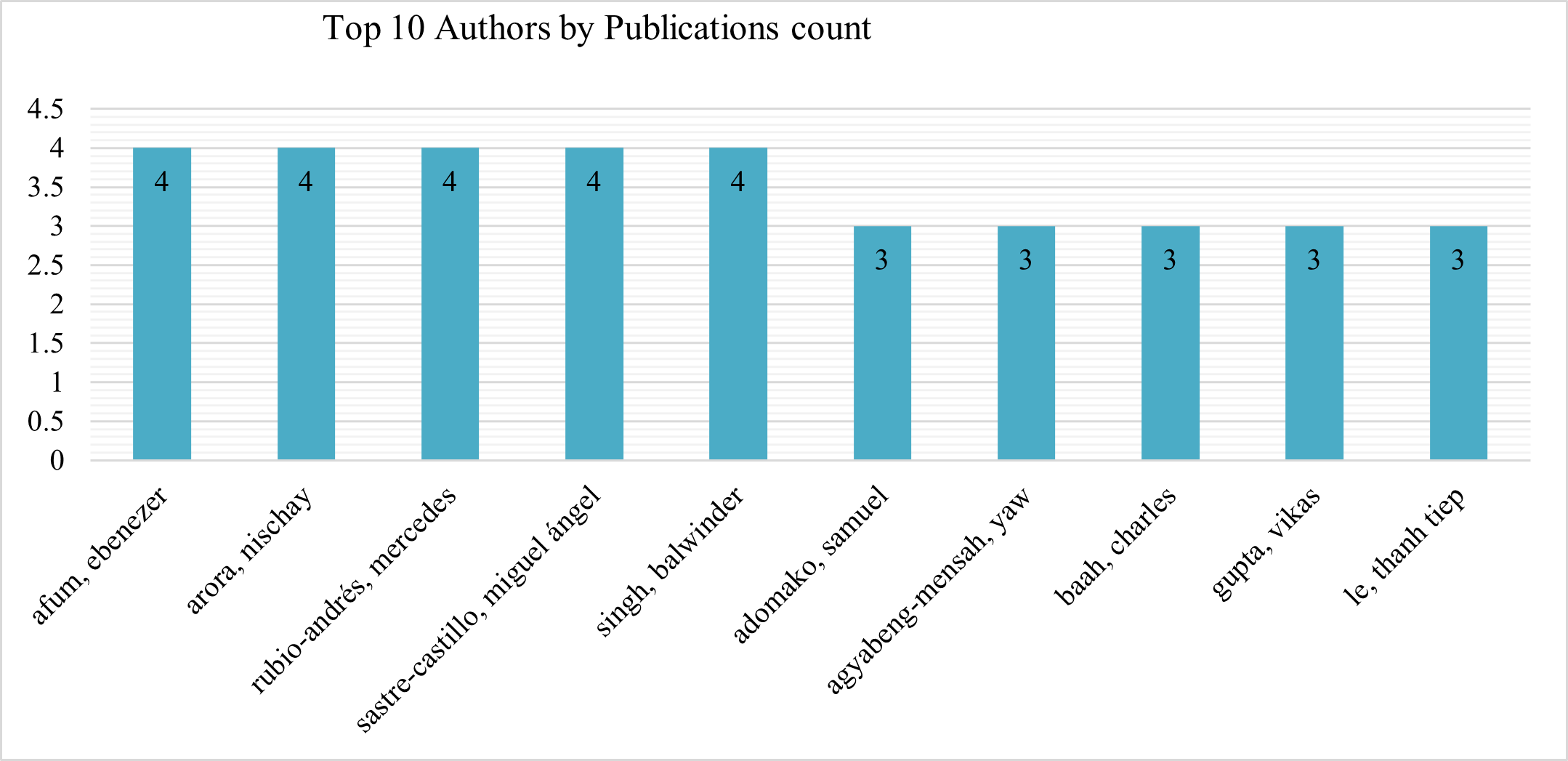
Figure 2: Bibliometric citation analysis of top influential authors
Source: Authors’ computation (2024)
4.3. Bibliometric Analysis of Top Ten Influential Countries/Territories
Table 2 shows that the United Kingdom emerges as the most productive contributor, with 46 publications and 1,425 citations, underscoring its central role in advancing research on Blue Ocean Strategy (BOS) and SME reputation. This volume highlights the UK as a leading hub for scholarship, shaping the intellectual development of the field. The United States, while producing fewer publications (20), demonstrates the highest citation impact per paper (52). This suggests that U.S. contributions, though fewer, are foundational and widely recognized, exerting a disproportionate influence on subsequent research. Smaller contributors such as Finland and Turkey illustrate the importance of quality over quantity. Each produced only seven publications, yet their citation averages (62.29 and 60.71, respectively) rank among the highest. This pattern indicates that their work has introduced distinctive insights or seminal studies that have become highly referenced touchpoints within the literature. Similarly, Taiwan, with just seven documents, achieved an impressive citation average of 50.29, confirming the global relevance of its contributions. Among middle-tier contributors, Spain (31 documents, 29.61 citations per paper), Italy (21 documents, 43.48 citations per paper), and China (29 documents, 23.83 citations per paper) balance both productivity and impact, reinforcing their presence in the international knowledge base. India, while ranking sixth in publication output (24 papers), shows a comparatively lower citation rate (19.88). This suggests strong domestic productivity but a need for greater international visibility and influence. Finally, New Zealand demonstrates a distinctive profile: despite a modest production of nine documents, its high citation average (37.56) emphasizes impactful, high-quality scholarship. Collectively, these results suggest that while research leadership is concentrated in the UK and the US, significant and highly influential contributions are also emerging from smaller but academically impactful countries, highlighting the global and multi-polar nature of BOS research in SMEs.
Table 2: Top influential countries/territories
| Rank | Country | Documents | Citations | Citation per document |
| 1 | United Kingdom | 46 | 1425 | 30.98 |
| 2 | United States | 20 | 1040 | 52 |
| 3 | Spain | 31 | 918 | 29.61 |
| 4 | Italy | 21 | 913 | 43.48 |
| 5 | China | 29 | 691 | 23.83 |
| 6 | India | 24 | 477 | 19.88 |
| 7 | Turkey | 7 | 436 | 62.29 |
| 8 | Finland | 7 | 425 | 60.71 |
| 9 | Taiwan | 7 | 352 | 50.29 |
| 10 | New Zealand | 9 | 338 | 37.56 |
Source: Authors’ computation (2024)
4.4. Top Ten Countries in Global Research Collaborations
Table 3 depicts that the United Kingdom leads as the most influential hub in this field, ranking first across all three metrics, publication count (46), total citations (1,425), and link strength (25). This demonstrates not only the UK’s dominance in knowledge production but also its central role in fostering global research collaborations on Blue Ocean Strategy (BOS) and SME reputation. The United States and China follow closely, with high citation totals (1,040 and 691, respectively) and strong collaboration scores (20 and 19). Their profiles suggest that both countries combine impactful scholarship with extensive international partnerships, reinforcing their dual role as leaders and connectors in the global research network. Pakistan stands out as an outlier. With just 10 publications, it nevertheless achieved a high link strength (14), indicating that its scholars are actively embedded in collaborative networks that amplify the global impact of their work despite limited output. Italy, Malaysia, and Australia occupy a middle ground, producing moderate volumes of research (21, 25, and 12 papers, respectively) while maintaining healthy collaboration levels (link strengths between 12 and 13). This balance demonstrates how these countries effectively integrate domestic productivity with international visibility. France and Spain present slightly different profiles. Both countries contribute solid research output and citations (11 and 31 documents; 150 and 918 citations, respectively), but with lower link strengths (10 and 8). This pattern suggests that their scholarship is more domestically or regionally oriented, with fewer international partnerships compared to peers. The United Arab Emirates, with only five publications, nevertheless secures a position in the top 10 because of its collaboration strength (7). This reflects a strategic approach where partnership building, rather than sheer volume, enhances visibility in the global BOS research ecosystem. Overall, these results highlight the centrality of the UK, US, and China in shaping the global research landscape, while also showing that countries with modest publication volumes, such as Pakistan and the UAE, can still exert influence through active collaboration.
Table 3: Top influential countries/territories
| Rank | Country | Documents | Citations | Total link strength |
| 1 | United Kingdom | 46 | 1425 | 25 |
| 2 | United States | 20 | 1040 | 20 |
| 3 | China | 29 | 691 | 19 |
| 4 | Pakistan | 10 | 336 | 14 |
| 5 | Italy | 21 | 913 | 13 |
| 6 | Malaysia | 25 | 188 | 13 |
| 7 | Australia | 12 | 250 | 12 |
| 8 | France | 11 | 150 | 10 |
| 9 | Spain | 31 | 918 | 8 |
| 10 | United Arab Emirates | 5 | 84 | 7 |
Source: Authors’ computation (2024)
Additionally, the international collaboration network presented in Figure 3 underscores the highly interconnected nature of Blue Ocean Strategy (BOS) and SME reputation research. The United Kingdom stands out as the most central hub (TLS = 25), reflecting its leadership in fostering global scholarly connections and shaping collaborative agendas. Its high volume of publications, coupled with extensive co-authorship ties, confirms the UK’s pivotal role in coordinating research efforts and disseminating BOS knowledge worldwide. The United States (TLS = 20) and China (TLS = 19) follow as dominant players, each contributing significant research outputs while simultaneously cultivating broad networks of international partners. This balance of productivity and connectivity amplifies their global influence, making their work both highly cited and widely integrated into the broader academic dialogue. A particularly notable finding is the position of Pakistan (TLS = 14). Despite a relatively modest number of publications, Pakistan ranks fourth in collaboration strength, indicating that its researchers are strategically positioned within global research networks. Their partnerships with higher-output countries enable visibility and academic influence beyond domestic capacity. Italy and Malaysia (TLS = 13 each) demonstrate strong balanced collaborations, which likely enhance their global reach and citation performance. Australia (TLS = 12) also performs strongly, consistent with its reputation for active participation in international research on entrepreneurship and innovation. By contrast, France (TLS = 10) and Spain (TLS = 8), though producing significant volumes of publications and citations, show comparatively weaker co-authorship ties. This suggests a stronger reliance on domestic or regional collaborations, with untapped potential for broader international engagement. Finally, the United Arab Emirates (TLS = 7) secures a place in the top 10 with only five publications. Its relatively high link strength reflects the impact of highly targeted and strategic partnerships that amplify influence despite lower output levels. Overall, the collaboration map reveals that while established powers like the UK, US, and China dominate the research landscape, smaller contributors such as Pakistan and the UAE leverage international partnerships to enhance their visibility and impact. This highlights the dual importance of both publication volume and strategic networking in shaping the global BOS and SME reputation discourse.

Figure 3: International co-authorship links
Source: Authors’ computation (2024)
4.5. Top Ten Impactful Institutions
In terms of publication output, Table 4 displays that the CEU San Pablo University (Spain) leads with 3 documents, making it the most productive institution in this dataset. Its contribution is further strengthened by a solid citation record (102), reflecting both quantity and quality of research in BOS and SME reputation. Several institutions follow with 2 documents each, including the Complutense University of Madrid (Spain), Dalian Maritime University (China), University of Verona (Italy), University of Zaragoza (Spain), Areca Consulting Group (Spain), University of Vaasa (Finland), IIT Delhi (India), and the University of Cape Coast (Ghana). Among these, the University of Verona stands out with an exceptionally high citation impact (323 citations), suggesting that its smaller volume of work carries outsized influence in shaping the field. Similarly, the University of Zaragoza demonstrates institutional strength with 135 citations across its 2 papers, emphasizing both productivity and scholarly relevance. Spain’s dominance is notable, with five institutions represented in the top ranks. This points to a strong and coordinated national research base in BOS-related studies, particularly within business and management departments. Beyond Europe, China and Finland contribute high-impact research with relatively fewer documents, while India and Ghana represent emerging regions. The presence of the University of Cape Coast highlights Africa’s increasing role in advancing BOS scholarship, even with modest output. In summary, while publication counts remain relatively low across institutions, the concentration of output in Spain and select European universities suggests regional leadership, complemented by high-impact contributions from Asia and emerging entries from Africa. This demonstrates that BOS and SME reputation research is both globally distributed and growing in diversity, with institutions balancing between productivity and citation influence.
Table 4: Top 10 impactiful institutions
| Rank | Organization | Documents | Citations |
| 1 | Department of Business Administration, Ceu San Pablo University, Madrid, Spain | 3 | 102 |
| 2 | Complutense University of Madrid, Spain | 2 | 52 |
| 3 | Dalian Maritime University, China | 2 | 46 |
| 4 | Department of Business Administration, University of Verona, Italy | 2 | 323 |
| 5 | Department of Business Management, University of Zaragoza, Huesca, Spain | 2 | 135 |
| 6 | Department of Finance, Areca Consulting Group, Seville, Spain | 2 | 135 |
| 7 | Department of Management Studies, Indian Institute of Technology Delhi, New Delhi, India | 2 | 16 |
| 8 | Department of Management, University of Vaasa, Helsinki, Finland | 2 | 63 |
| 9 | Department of Marketing and Supply Chain Management, School of Business, University of Cape Coast, Ghana | 2 | 52 |
| 10 | Department of Marketing, University of Zaragoza, Spain | 2 | 135 |
Source: Authors’ computation (2024)
4.6. Top Ten Leading Journals
In terms of publication output, Table 5 illustrates that Sustainability (Switzerland) is the clear leader, contributing 17 documents and positioning itself as the most active journal in disseminating research on Blue Ocean Strategy (BOS), SME innovation, and reputation management. Its large number of contributions demonstrates the journal’s openness to interdisciplinary themes, and with 401 citations, its articles show a consistent level of recognition. The Journal of Cleaner Production ranks second with 11 documents, yet it far outperforms in terms of impact with 1,500 citations. This indicates that the journal is not only productive but also publishes highly influential work linking sustainability, business strategy, and environmental performance. Corporate Social Responsibility and Environmental Management follows with 9 papers, showing a strong focus on the CSR–strategy–SME sustainability nexus and generating 389 citations. Other journals with five documents each, such as Business Strategy and the Environment, the Journal of Small Business and Enterprise Development, and Qualitative Market Research, highlight diversity in the outlets shaping this field. While Business Strategy and the Environment has comparatively fewer papers, its 498 citations underline its weight in shaping strategic and environmental management discourse. The SME-oriented journals demonstrate that reputation and strategic innovation are becoming increasingly important in enterprise development literature. Journals with four publications each, including the International Journal of Applied Business and Economic Research, the International Journal of Emerging Markets, the Journal of Global Responsibility, and the Journal of Small Business Management, represent additional streams through which BOS-related themes are emerging. Their relatively smaller volume reflects niche or region-specific contributions, but some, such as the Journal of Global Responsibility (259 citations), show significant influence despite modest output. Overall, while publication volumes remain modest across journals, the dominance of Sustainability and the Journal of Cleaner Production reflects the growing integration of BOS and SME reputation into sustainability-oriented and interdisciplinary research platforms. Meanwhile, SME-focused and emerging market journals ensure that regional and enterprise-specific perspectives are represented, contributing to a more diversified global discourse.
Table 5: Top 10 leading journals
| Rank | Source | Documents | Citations |
| 1 | Sustainability (Switzerland) | 17 | 401 |
| 2 | Journal Of Cleaner Production | 11 | 1500 |
| 3 | Corporate Social Responsibility and Environmental Management | 9 | 389 |
| 4 | Business Strategy and the Environment | 5 | 498 |
| 5 | Journal Of Small Business and Enterprise Development | 5 | 196 |
| 6 | Qualitative Market Research | 5 | 205 |
| 7 | International Journal of Applied Business and Economic Research | 4 | 3 |
| 8 | International Journal of Emerging Markets | 4 | 156 |
| 9 | Journal Of Global Responsibility | 4 | 259 |
| 10 | Journal Of Small Business Management | 4 | 126 |
Source: Authors’ computation (2024)
4.7. Top Ten Most Common Keywords
As shown in Table 6, the bibliometric keyword analysis shows that “SMEs” dominates the field with 80 occurrences and the highest Total Link Strength (TLS = 344), reflecting the central role of small and medium enterprises in research on Blue Ocean Strategy (BOS) and reputation management. Its strong connectivity across the network illustrates that SMEs are the anchor around which most thematic discussions revolve. The second most frequent term, Corporate Social Responsibility (CSR), appears 33 times (TLS = 142), underscoring its pivotal role in shaping SME strategies. Its strong link strength highlights how CSR is consistently framed as a driver of reputation and legitimacy for SMEs competing in increasingly dynamic markets. Similarly, the keyword SME (26 occurrences, TLS = 133) reinforces this focus, pointing to the broader category of enterprises that are the subject of BOS-related reputation studies. Reputation (25 occurrences, TLS = 108) stands out as a key theme in its own right, demonstrating its importance in determining competitive advantage. The more specific corporate reputation (19 occurrences, TLS = 80) suggests a narrower strand of scholarship that looks at institutional credibility and stakeholder trust, compared to the broader exploration of general SME reputation. Sustainability also emerges as a critical theme, with 19 occurrences and TLS = 97, highlighting how long-term environmental and social responsibility considerations are increasingly integrated into SME strategy and reputation discourse. Closely related, CSR (abbreviated) appears separately 16 times (TLS = 89), reaffirming the deep connection between responsibility and SME competitiveness. Finally, innovation (15 occurrences, TLS = 67) and performance (15 occurrences, TLS = 69) demonstrate the research community’s interest in the dynamic capabilities of SMEs. These terms reflect how innovation not only supports SME reputation but also translates into improved performance outcomes, aligning with the strategic imperatives of Blue Ocean Strategy.
Table 6: Top 10 most common keywords
| Rank | Keyword | Occurrence | Total Link Strength |
| 1 | SMES | 80 | 344 |
| 2 | Corporate social responsibility | 33 | 142 |
| 3 | SME | 26 | 133 |
| 4 | Reputation | 25 | 108 |
| 5 | Corporate reputation | 19 | 80 |
| 6 | Small and medium enterprises | 19 | 69 |
| 7 | Sustainability | 19 | 97 |
| 8 | CSR | 16 | 89 |
| 9 | Innovation | 15 | 67 |
| 10 | Performance | 15 | 69 |
Source: Authors’ computation (2024)
Overall, the keyword analysis confirms that research in this domain is strongly SME-centered, with CSR, reputation.
The network in Figure 4 illustrates the centrality of SMEs and CSR in the research network, with reputation, sustainability, innovation, and performance acting as bridging themes that connect business strategy to long-term competitiveness.

Figure 4: Keyword co-occurrences
Source: Authors’ computation (2024)
5. Discussions
The analysis of top contributing authors highlights the intellectual leadership of scholars such as Ebenezer Afum, Nischay Arora, and Mercedes Rubio-Andrés, each with four publications. Their recurring contributions demonstrate a core group of academics advancing debates on the application of Blue Ocean Strategy (BOS) and its role in enhancing SME reputation. This aligns with recent studies that emphasize how innovative strategies and sustainability-oriented practices underpin SMEs’ long-term competitiveness. For example, Le (2023) shows that corporate social responsibility (CSR) initiatives enhance SME performance through reputation and loyalty-building mechanisms, while Çera and Ndou (2024) argue that social media participation and innovation strengthen the CSR–sustainability nexus in entrepreneurial SMEs. The significance of these findings points to an expanding body of literature where SME reputation, CSR, and BOS are increasingly studied together. Earlier works have established that SMEs must differentiate themselves and cultivate solid reputations by embracing value innovation and sustainability principles (Kim & Mauborgne, 2005; Yunus & Sijabat, 2021). Recent reviews further reinforce this by positioning BOS as a strategic pathway for SMEs to innovate, access untapped markets, and achieve reputational gains (Awladthani et al., 2023; Leo et al., 2024).
At the country level, research activity is concentrated in the United Kingdom, United States, Spain, and China, with the UK leading in both output and international collaborations. This dominance reflects the role of developed economies in spearheading strategic management innovations (Kim & Mauborgne, 1999; Omido et al., 2024). However, growing contributions from Asia and Africa indicate a more diversified scholarly landscape. For instance, Adamu and Palladan (2024) find that BOS and niche marketing significantly contribute to SME growth in African contexts, highlighting the strategy’s adaptability to emerging markets. Similarly, Dvorsky et al. (2024) demonstrate that social and environmental dimensions of sustainability in SMEs are increasingly shaping global debates, often supported by international collaborations. Institutional analysis underscores the influence of European and Asian universities. The University of Verona’s high citation impact (323 citations) illustrates the potential of concentrated, high-quality outputs to shape scholarly debates. Spanish institutions such as CEU San Pablo University and the University of Zaragoza also demonstrate leadership through consistent contributions. These findings echo Mirghaderi et al. (2023), who note that organizational resilience and BOS-based innovation models often emerge from academic-industry linkages fostered by such institutions. Leading journals further validate the integration of BOS with CSR and sustainability research. The Journal of Cleaner Production’s 1,500 citations reveal how sustainability-driven strategies are foundational in discussions of SME competitiveness, while Business Strategy and the Environment emphasizes the strategic role of CSR in enhancing reputation. This reflects a thematic convergence around SMEs, CSR, innovation, and reputation, which appear as dominant keywords in bibliometric mapping. Their prominence confirms that SMEs increasingly rely on sustainability and innovation not only to compete but also to cultivate reputational capital (Sarjana & Khayati, 2017; Wikaningrum et al., 2020).
Finally, the use of bibliometric analysis itself provides an added dimension of reliability and transparency. By systematically mapping authors, institutions, journals, and keywords, this approach makes it possible to uncover intellectual structures and thematic concentrations that might be overlooked in traditional reviews. As emphasized by Pritchard (1969), bibliometrics establishes a statistical foundation for evaluating scholarly output, while Ellegaard and Wallin (2015) highlight its role in assessing research influence across disciplines. More recently, Passas (2024) outlines the methodological steps that ensure robustness in such analyses, reinforcing that bibliometric mapping is not only descriptive but also critical for guiding future research agendas. This strengthens the validity of the present findings and situates them within the broader trajectory of research evaluation practices.
6. Conclusion and Recommendations
This bibliometric study examined the intellectual structure, thematic evolution, and collaborative patterns in the application of Blue Ocean Strategy (BOS) for enhancing SME reputation. The findings reveal a concentrated group of influential authors, including Ebenezer Afum, Nischay Arora, and Mercedes Rubio-Andrés, whose works provide a foundation for advancing this research domain. Journals such as Journal of Cleaner Production and Business Strategy and the Environment emerged as leading publication outlets, reinforcing the central role of sustainability and CSR in shaping SME reputation. At the institutional level, universities in Europe and Asia, particularly the University of Verona, CEU San Pablo University, and Dalian Maritime University, demonstrated strong impact and output, serving as hubs of scholarly production. Country-level results highlight the United Kingdom, United States, and China as global leaders in BOS-related SME research, while emerging economies, such as those in Africa and South Asia, are increasingly contributing, signaling a diversification of perspectives. The thematic analysis revealed that SMEs, CSR, innovation, sustainability, and reputation are dominant keywords, pointing to a growing convergence around how firms leverage BOS to achieve competitive advantage while simultaneously cultivating reputational capital. This aligns with earlier strategic frameworks that view value innovation as a pathway to sustained competitiveness (Kim & Mauborgne, 2005; Yunus & Sijabat, 2021). It also resonates with recent evidence showing that CSR and innovation are crucial for SME sustainability in both developed and emerging markets (Le, 2023; Çera & Ndou, 2024; Adamu & Palladan, 2024).
Based on these findings, several recommendations can be made. First, future research should continue to integrate BOS with sustainability-driven strategies, paying particular attention to CSR and innovation, which remain pivotal for enhancing SME reputation (Awladthani et al., 2023; Leo et al., 2024). Second, scholars from developing regions should be supported through collaborative networks, given their growing yet underrepresented contributions. International partnerships, such as those highlighted by the strong link strengths of the UK, US, and China, provide opportunities for knowledge sharing and contextual adaptation of BOS strategies. Third, institutions and policymakers in emerging economies should encourage SMEs to adopt BOS principles alongside sustainability and digital transformation, as this combination has been shown to strengthen resilience and reputational outcomes (Mirghaderi et al., 2023; DiBella et al., 2023). Finally, future bibliometric and empirical studies should expand their scope to explore under-investigated themes such as the role of family businesses (Rangkuty & Zulmi, 2020) and the use of strategic partnerships (Wikaningrum et al., 2020) in BOS-driven SME reputation. In conclusion, the study underscores that BOS research on SMEs is evolving into a multidisciplinary field where sustainability, CSR, and innovation converge. By advancing collaboration across countries, institutions, and journals, and by exploring new dimensions of SME reputation, future research can extend the theoretical and practical relevance of BOS. This will not only deepen academic insights but also provide actionable guidance for SMEs seeking to secure long-term competitiveness in increasingly dynamic markets.
References
Adamu, A. M., & Palladan, A. A. (2024). Exploring the influence of Blue Ocean strategy and niche marketing on the growth of SMEs in Gombe Metropolis. Journal of Business Research and Reports, 2024(1), 1–6. https://doi.org/10.47363/jbrr/2024(1)103
Asa, A.R., Yusupov, S. & Nautwima, J.P. (2023). Harnessing the power of mergers and diversification: The success story of Meituan-Dianping. International Journal of Management Science and Business Administration, 9(4), 42-51. doi: https://doi.org/10.18775/ijmsba.1849-5664-5419.2014.94.1004
Awladthani, F. S., Porkodi, S., Saranya, R., & Pandurengan, V. (2023). A systematic literature review of the adoption of a Blue Ocean strategy by small and medium enterprises for sustainable growth. Journal of Sustainability Science and Management, 18(2), 197–231.
Çera, G., & Ndou, V. (2024). The role of innovation and social media in explaining the corporate social responsibility–business sustainability nexus in entrepreneurial SMEs. European Journal of Innovation Management. https://doi.org/10.1108/EJIM-01-2024-0062
Chadarava, P. D. (2018). Blue ocean strategy: A review of literature. FOCUS: Journal of International Business, 5(1), 126–141. https://doi.org/10.17492/focus.v5i01.13140
Chakrabarti, M. (2014). Blue Ocean Marketing Strategy (BOMS): An overview. Abhinav International Monthly Refereed Journal of Research in Management & Technology, 3(6), 68–69.
DiBella, J., Forrest, N., Burch, S., Rao-Williams, J., Ninomiya, S. M., Hermelingmeier, V., & Chisholm, K. (2023). Exploring the potential of SMEs to build individual, organizational, and community resilience through sustainability-oriented business practices. Business Strategy and the Environment, 32(1), 721–735.
Dvorsky, J., Kubalek, J., Barinova, D., Androniceanu, A., & Khan, K. A. (2024). Selected factors influencing the social and environmental aspects of sustainability of SMEs. Transformations in Business & Economics, 23, 200–218.
Ellegaard, O., & Wallin, J. A. (2015). The bibliometric analysis of scholarly production: How great is the impact? Scientometrics, 105, 1809–1831.
Eromafuru, E. G. (2022). Blue Ocean strategy and competitiveness of micro, small and medium enterprises in Nigeria: Can core competence mediate? [Unpublished manuscript].
Garg, R., Bhatia, R., Chhikara, R., & Kataria, A. (2021). Sensory marketing: A review and research agenda. Academy of Marketing Studies Journal, 25(4), 1–30.
Jooss, S., Lenz, J., & Burbach, R. (2023). Beyond competing for talent: An integrative framework for coopetition in talent management in SMEs. International Journal of Contemporary Hospitality Management, 35(8), 2691–2707.
Kim, W. C., & Mauborgne, R. (1999). Strategy, value innovation, and the knowledge economy. Sloan Management Review, 40(3), 41.
Kim, W. C., & Mauborgne, R. (2005). Value innovation: A leap into the blue ocean. Journal of Business Strategy, 26(4), 22–28.
Kim, W. C., & Mauborgne, R. A. (2017). Blue ocean leadership (Harvard Business Review Classics). Harvard Business Review Press.
Kotler, P., Keller, K. L., & Burton, S. (2009). Marketing management (1st adaptation ed.). Pearson Prentice Hall.
Le, T. T. (2023). Corporate social responsibility and SMEs’ performance: Mediating role of corporate image, corporate reputation and customer loyalty. International Journal of Emerging Markets, 18(10), 4565–4590. https://doi.org/10.1108/IJOEM-07-2021-1164
Le, T. T. (2023). Corporate social responsibility and SMEs’ performance: Mediating role of corporate image, corporate reputation and customer loyalty. International Journal of Emerging Markets, 18(10), 4565–4590. https://doi.org/10.1108/IJOEM-07-2021-1164
Leo, K., Santosa, H., Rofih, M., Panggabean, N., & Prastyo, Y. (2024). Application of blue ocean strategy for MSME business development: Literature study. International Journal of Research and Innovation in Social Science. https://rsisinternational.org/journals/ijriss/articles/application-of-blue-ocean-strategy-for-msme-business-development-literature-study/
Louisom, J. P., Rayner, J., & Gaultier-Gaillard, S. (2009). Managing risks in reputation – From theory to practice. In J. Klewes & R. Wreschniok (Eds.), Reputation Capital. Springer-Verlag.
Milezi, J., Asa, A. R., Nautwima, J. P., & Obrenovic, B. (2023). Assessing the impact of management practices on organisational growth at a multinational company in Namibia. International Journal of Operations Management, 3(2), 22-34. https://doi.org/10.18775/ijom.2757-0509.2020.32.4002
Mirghaderi, S. A., Amindoust, A., & Aboumasoudi, A. S. (2023). Developing an open innovation model in the startup ecosystem industries based on the attitude of organizational resilience and blue ocean strategy. Computers & Industrial Engineering, 181, 109301. https://doi.org/10.1016/j.cie.2023.109301
Nautwima, J. P., & Asa, A. R. (2021). The impact of microfinance support on the development of manufacturing SMEs operating in Windhoek- Namibia. Archives of Business Research, 9(12), 250-272. doi: https://doi.org/10.14738/abr.912.11417
Nautwima, J. P., & Asa, A. R. (2021). The impact of microfinance support on the development of manufacturing SMEs operating in Windhoek- Namibia. Archives of Business Research, 9(12), 250-272. doi: https://doi.org/10.14738/abr.912.11417
North, K., Aramburu, N., & Lorenzo, O. J. (2020). Promoting digitally enabled growth in SMEs: A framework proposal. Journal of Enterprise Information Management, 33, 238–262.
Obrenovic, B., Oblakovic, G., & Asa, A. R. (2024). Bibliometric analysis of financial and economic implications during the COVID-19 pandemic crisis. Sustainability, 16(7), 2897. https://doi.org/10.3390/su16072897
Omido, M., Maina, S. M., & Namusonge, M. J. (2024). Impact of blue ocean strategies on firm performance: An integrated theoretical and literature review. SSRN Electronic Journal. https://doi.org/10.2139/ssrn.4920379
Passas, I. (2024). Bibliometric analysis: The main steps. Encyclopedia, 4(2), 1014–1025. https://doi.org/10.3390/encyclopedia4020065
Potocki, T., & Wierzbiński, B. (2014). Understanding the reputation perception in the context of small to medium-sized enterprises (SMEs)—Evidence from Poland. Economics and Organization of Enterprise, 1(768), 11–29.
Pritchard, A. (1969). Statistical bibliography or bibliometrics. Journal of Documentation, 25, 349.
Rangkuty, D. M., & Zulmi, A. (2020). Family business sustainability strategy in SME sector at West Sumatera province. Ekopem: Jurnal Ekonomi Pembangunan, 5(3), 55–67. https://doi.org/10.32938/jep.v5i3.673
Samson, A., & Philip, A. A. (2024). Entrepreneurial strategies and the survival of small and medium scale enterprises in the red ocean clusters in Nigeria. Journal of Institutional Research, Big Data Analytics and Innovation, 1(1).
Sarjana, S., & Khayati, N. (2017). The role of reputation for achieving competitive advantage. Advances in Economics, Business and Management Research. https://doi.org/10.2991/icbmr-17.2017.30
Schultz, H. B., & Werner, A. (2011). Reputation and ethics management. In P. S. Nel, A. Werner, P. Poisat, H. B. Schultz, T. Sono, P. du Plessis, & T. Ngalo (Eds.), Human Resources Management (8th ed.). Oxford University Press Southern Africa.
Sun, C.-W., Obrenovic, B., & Zhang, Y.-F. (2024). Affirmative or negative: A study of the effectiveness of advertising sentence patterns on green advertisements. Current Psychology, 43, 34199–34214. https://doi.org/10.1007/s12144-024-06894-6
Times of Oman. (2020, August 11). Ministerial decision amends classification of SMEs per workforce, revenues. Times News Service, Muscat Media Group. https://timesofoman.com/article/89565-ministerial-decision-amends-classification-of-smes-per-workforce-revenues
Verma, S., & Gustafsson, A. (2020). Investigating the emerging COVID-19 research trends in the field of business and management: A bibliometric analysis approach. Journal of Business Research, 118, 253–261.
Wierzbinski, B., & Potocki, T. (2013). The importance of trust and reputation on small and medium enterprises (SMEs) in their business activity. Retrieved from https://www.researchgate.net/publication/261373634
Wikaningrum, T., Ghozali, I., Nurcholis, L., & Nugroho, M. (2020). Strategic partnership: How important for the reputation of small and medium enterprises? Quality - Access to Success, 21(174).
Yunus, M., & Sijabat, F. N. (2021). A review on Blue Ocean Strategy effect on competitive advantage and firm performance. Academy of Strategic Management Journal, 20(1), 1–10.