International Journal of Management Science and Business Administration
Volume 11, Issue 2, January 2025, Pages 7-27
Past, Present, and Future of Service Quality in Marketing
DOI: 10.18775/ijmsba.1849-5664-5419.2014.112.1007
URL: https://doi.org/10.18775/ijmsba.1849-5664-5419.2014.112.1007
1Asa Romeo Asa , 2Jacqueline Bock 3Johanna Pangeiko Nautwima
1,3 Namibian-German Institute for Logistics, Namibia University of Science and Technology, Windhoek 13388, Namibia,
2 Department of Academic Support, Teaching, Learning and Technology, Namibia University of Science and Technology, Windhoek 13388;
Export citation: RIS (Zotero / EndNote) · BibTeX
Abstract: Service Quality has been one of the most significant concepts in marketing literature over the last two decades, empirically linked with customer satisfaction and long-term sustainability for businesses. The purpose of this paper is to provide an extensive review of the evolution of marketing-related articles in service quality and development. The review synthesis has shown that the Grönroos and SERVQUAL were some of the earliest service quality models to broaden intangibles within services and homogenise user experience outcomes between industries. Service quality research has evolved with technological evolution and digitalisation, which has changed customer experience parameters and created new dimensions. New-age digital trends dictate high-quality services based on personalisation, customisation habits, and the advent of artificial intelligence (AI) and machine learning. Customer preferences and loyalty have more to do with sustainability and ethical considerations. The service quality concept implications include the drivers of value co-creation and which emerging technologies could inform how services are delivered to customers. The review also highlights some challenges and opportunities for service quality research, including new frontiers that consider the interaction between humans and machines and social infrastructure and physical environment contexts in which services are delivered. To address the issue of the lack of an integrated perspective, this study utilises findings from the literature, particularly those emphasising human-AI interactions. The study's implication is to give a more complete theoretical framework of service quality and to combine findings from different points of view. This will give practitioners more leverage to implement service-level strategies in changing market conditions.
Keywords: Service Quality; SERVQUAL; Digital Services; Artificial Intelligence; Personalisation; Sustainability; Customer Experience
1. Introduction
Service quality is a crucial component in marketing theory and practice. It is widely recognised as essential for satisfactory consumer relationships and sustainable business. The extent to which a service meets the expectations of its users is essential for attracting customers and advancing competitiveness (Wilson et al., 2020). Much of what is known today comes from early studies defining the components of service quality and frameworks to measure service delivery in different industries (Grönroos, 1984; Parasuraman et al., 1988). Although the traditional service quality models have provided significant insights into consumer perceptions, rapid technological changes and changing consumer needs challenge the relevance of these conceptualisations. As services become more digitally transformed, driven by artificial intelligence (AI) and personalisation technologies, the way customers interact with services is being revolutionised, which calls for a re-examination of traditional service quality models (Nautwima et al., 2025; Periyasami & Periyasamy, 2022).
The evolution to be digital also includes real-time responsiveness and the AI-driven capabilities of digitally delivered services. Additionally, increasing attention to sustainability intensifies another aspect of service quality: today's customers increasingly appreciate environmentally friendly and socially responsible providers (Nautwima & Asa, 2022). The changing landscape of business and industry provides challenges and opportunities for businesses to stay at the top of their game, combining technology with sustainability and providing a high standard of service (Asa et al., 2024). Hence, this paper aims to comprehensively review the past, present, and future of service quality in marketing. Drawing on integrating findings across the related and current literature, this study contributes to a more comprehensive theoretical approach to service quality. This offers managerial implications for developing tailored service quality strategies suitable for environments where markets constantly evolve.
2. Theoretical Background
Service quality research has grown exponentially over the last two decades (Tien & Huong, 2023). Service quality is the foundation for many companies’ success, accounting for a large proportion of a firm's value. Customer satisfaction and quality of service are considered cornerstones of marketing philosophy, and many scholars and executives believe that high service quality provides a company with a competitive advantage and, ultimately, financial success (Ahunjonov et al., 2013; Raza et al., 2020; Uzir et al., 2021; Wilson et al., 2020). Rather than any physical product, services are experiences perceived by customers, performed and not owned. Services are the activities, benefits, and satisfaction offered for sale and do not result in the ownership of anything. As such, customers perform service quality evaluations. As customer expectations in the service industry increased, companies responded. These companies are accelerating their services to users, developing services tailored to customers, and partnering with customers to develop unique service concepts (Nautwima & Asa, 2022; Raza et al., 2020). The landscape of marketing has dramatically shifted with the advent of the Internet. Many companies have transformed their marketing practices to engage customers. Organisations receive services and value high-quality services to create customer experiences. Future research on customer satisfaction, complaints, loyalty, and intentions, as well as the applications of services, are areas to be explored in service quality in the evolving marketing field (Becker & Jaakkola, 2020; Hoyer et al., 2020; Kalbach, 2020; Wilson et al., 2020).
With the growth of the service economy during the late 1980s and the recognition that services needed to be marketed with strategies other than tangible goods, the concept of service quality first gained prominence. The service quality models by Grönroos (1984) and the SERVQUAL scale were among the early frameworks to recognise a service's subtle or intangible qualities, focusing on dimensions such as tangibility, assurance, reliability, responsiveness, and empathy (Parasuraman et al., 1988). These seminal models, widely read and adopted by academia and industry, lay the basis for service quality, which monetises customer interactions for service firms.
Introducing digital platforms and artificial intelligence creates a new frontier for what constitutes a good service. Contemporary consumers expect frictionless, tailored, and timely experiences that meet ever-evolving expectations, making it vital for service providers to constantly evolve and iterate on their quality standards (Nautwima & Asa, 2022). In addition, in many industries, such as financial services, healthcare, and hospitality, the influence of service quality on brand reputation, consumer confidence, and trust has been re-energised. The impacts of these changes on the future design of academic research on service quality, driven by technological advances (big data, IoT, AI), sustainability, and co-creation or shared value, are yet to emerge. Rising themes, including service innovation driven by AI, the sustainable delivery of services, and the evaluation of service quality within hybrid ecosystems, indicate that incumbent methodologies are likely to fall short. Researchers are increasingly exploring new perspectives beyond the traditional static view of services, demonstrating the interaction between human and machine interactions and considering social and environmental contexts in service views.
The central challenge in the study of service quality is assessing whether and to what extent service organisations and their employees deliver service quality promised through various forms of persuasive communication. The definitions and concepts by prior scholars (Ali et al., 2021; Alzoubi & Inairat, 2020; Uzir et al., 2021) show that service quality measures how well the delivered service level matches customer expectations. In this definition, 'customer' refers to internal and external clients, and 'service level' refers to the menu of items a service provider offers clients. Service quality is an evaluative judgment of what is offered, and service expectations must be assessed. Ideally, a service provider must concentrate on meeting and possibly exceeding the most critical expectations to drive consumer satisfaction and loyalty (Ali et al., 2021; Asa et al., 2023; Dam & Dam, 2021).
3. Methodology
This review paper employs a systematic approach to synthesise literature on the past, present, and future of service quality in marketing. The methodology was structured and organised according to the PRISMA (Preferred Reporting Items for Systematic Reviews and Meta-Analyses) framework (Ali et al., 2021; Dam & Dam, 2021), which led to a transparent interlacing of the current literature on service quality in marketing. This section describes these studies' systematic identification and examination (Figure 1).
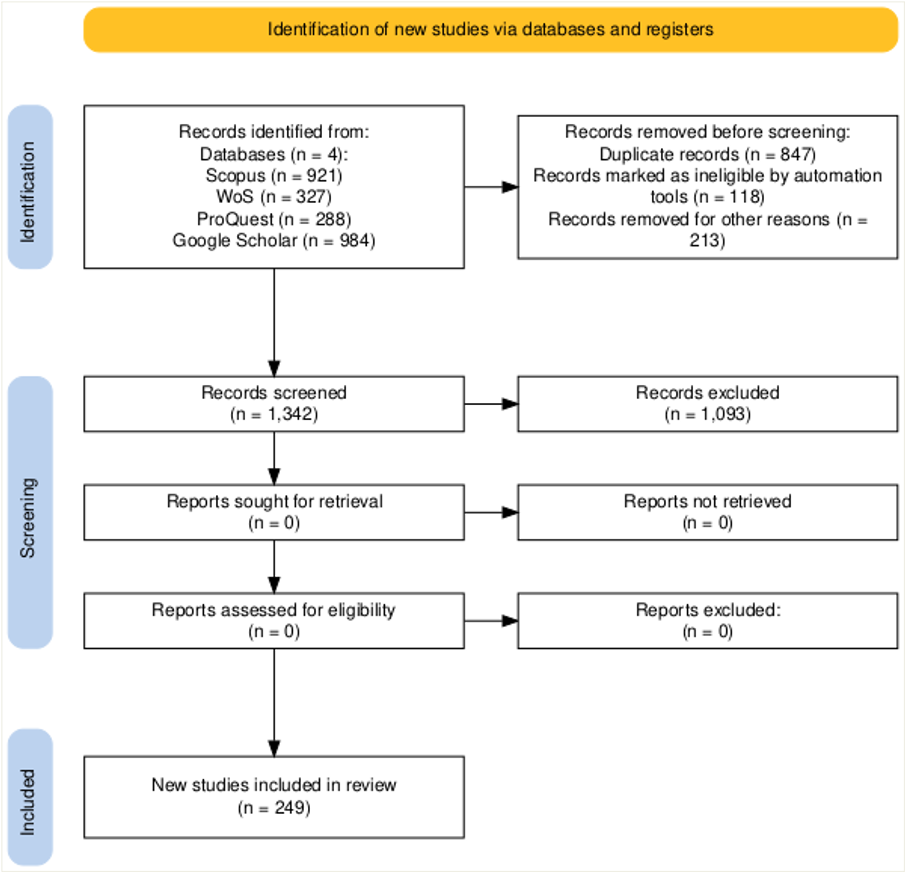
Figure 1: The PRISMA protocol
3.1 Literature Search Strategy
A comprehensive literature search strategy was developed to retrieve peer-reviewed academic research on service quality in marketing (Harari et al., 2020). The search databases used for this study were Scopus (2,726), Web of Science (827), ProQuest (182), and Google Scholar (934), totalling 4669 in the initial search record. The search strategy used keywords, Boolean operators, and domain-specific filters. Advanced search functions allowed entries matching "service quality," "customer satisfaction," "service management," and "marketing" keywords to advance to the next step of query construction, as tasks were given new descriptors such as "service innovation," "marketing trends" and "future of service quality" terms. The following strategies were employed, in particular for the timespan.
Past: "historical trends in service quality", "evolution of service quality frameworks".
Present: "existing service models," "customer experiences and satisfaction," "service quality in digital marketing."
Future: "emerging new service quality paradigms", "AI in service quality", "future directions service quality challenges".
In addition, manual searches were performed using reference lists of key articles in the field of marketing to ensure that seminal work was not missed. Selection criteria Documents were retrieved using predetermined inclusion and exclusion criteria. The inclusion criteria were marketing domain-focused peer-reviewed research journal articles, book chapters, and conference proceedings for service quality without a time span to capture a holistic picture of service quality's past, present, and future in marketing. Service quality studies not from marketing and reviewed research published in languages other than English were excluded. This methodology was designed to maintain the review within the limits of high-quality sources that add value to theoretical and practical ideas.
3.2. Literature Search Strategy
In all the initial searches, 4,669 articles were agreed upon. However, 1,342 articles were screened after removing duplicates using the titles and abstracts. Three inde-pendent reviewers screened articles to reduce bias. In cases of discrepancies in selec-tion, the issue was resolved through discussion and consensus. Furthermore, a record of 860 was excluded based on three-fold reasons: firstly, articles not accessed in full-text due to paywall (n = 413); secondly, study focus not relevant to the theme of the current study (n = 328); lastly, studies not meeting minimum quality criteria assessment to mitigate reliability concerns (n = 119).
3.3. Data Extraction and Synthesis
A data extraction sheet was created to extract essential information for the select-ed studies, including author(s), publication year, research theme, methodology, and main results. Based on this review, the following three main categories were defined: historical development of service quality research, current state of service quality re-search, and future directions with studies on service quality. The selected studies were thematically analysed for recurring patterns and gaps and to identify emerging themes in the literature.
4. Results and Discussions
This section presents the findings of this systematic literature review of the past, present, and future of service quality in marketing. Service quality is an essential concept in the marketing literature because of its linkage with customer satisfaction and business sustainability.

Figure 2: Historical evolution of service quality Source: Authors’ depiction from literature (2024)
4.1. Bibliometric Corpus Performance
The review analysed a total of 2,726 service quality in marketing articles in Business, Management and Accounting, and social sciences subject areas published between 1984 and 2024 (41 years) in the Scopus database. The findings of this bibliometric corpus analysis show the trend in publication performance of the articles on service quality in marketing. The review period is segmented into four periods that cover a decade in each period (1984-1993, 1994-2003, 2004-2013, 2014-2024); see Figure 2.
The first ten years (1984-1993) witnessed the publication of 52 service quality in marketing articles only, which shows that service quality in marketing as a domain had a slow growth trend in the initial years. The next ten years (1994-2003) saw an exponential increase in the number of publications (n = 382), which coincided with the start of global trade developments in creating the largest free-trade zones, which shaped and strengthened trade relations between the United States, Canada, and Mexico, thus, service quality facilitated through global trade developments.
The ten-year period between 2004 and 2013, observed a drastic increase in service quality publications related to marketing (n = 809). This period coincides with the technological advancement (digital technology and social media) period that saw the birth of social media platforms such as Facebook, Twitter (X), and YouTube, thus indicating that digital technology and social media facilitated and accelerated the growth of service quality marketing research articles.
Finally, in recent years, an eleven-year period (2014 -2024), the field of service quality in marketing has reached an astonishing peak of publication articles even before 2024 ends (n = 1483, 2024 is poised to be the most productive year just four publications away from outperforming the year 2023. This period continues to witness the prominence of digital transformation. The most prominent ones are the rapid advancements in AI, quantum computing, data science, and the increased adoption of mobile technologies and analytics in service quality. These digital changes continue transforming business models, transcending communication methods most efficiently and effectively, and daily life. The development of AI has led to exponential growth in the publication of articles on service quality in marketing, viewed as an integration of AI in service quality delivery.

Figure 3: Year-wise publication trend of service quality articles Source: Authors’ computation from Scopus extracts (2024)
4.2. Evolution of Service Quality
Service quality has experienced a three-phased evolution, each driven by key milestones in theory and practice. The basic concepts started emerging in the earlier phase, and how a customer would define/perceive their expectations was understood. Prior to the formation of robust models and frameworks by pioneers in the field, these served as tools which could help businesses not only think about but also measure their service quality. During this time frame, the development of deducted theories such as SERVQUAL offered a far more methodical way of measuring service performance through dimensions (Harari et al., 2020; Uzir et al., 2020; Uzir et al., 2021).
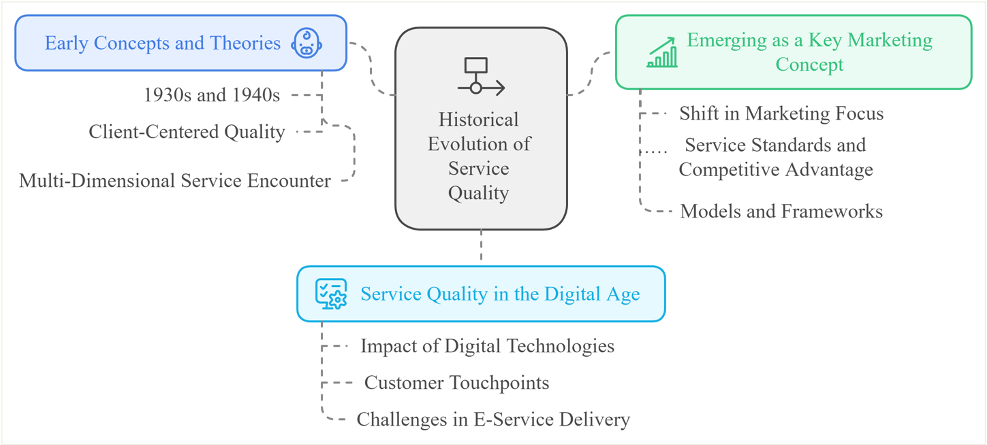
Service quality evolved from a periphery concept and has moved more into the marketing mainstream. Organisations started understanding the importance of customer experience in gaining competitive advantage and sustaining customer loyalty (Asa et al., 2024). It helped progress service quality principles to a strategic level woven into other business strategies such as product development, customer relationship management and brand positioning. The digital era has further revolutionised the world of service excellence by presenting a pact of challenges and potential prospects. E-commerce, social media, and mobile technologies threatened to leave the legacy service quality paradigms behind as new tech-savvy consumers expected more from the firms they did business with (Asa et al., 2024). Throughout this time, omnichannel service provision, real-time feedback loops, and data-driven personalisation have arisen to enrich customer experience within an ever more connected world (Arsawan et al., 2022; Azeem et al., 2021; Farida & Setiawan, 2022; Hajli, 2014). Figure 3 exhibits the key historical evolution of service quality from early concepts and theories, service quality as an emerging key marketing concept, and service quality in the digital age.
4.2.1. Early concepts and theories
In the 1930s and the 1940s, little importance was attached to these services. From the beginning of the present chapter, this study stresses that earlier researchers should indicate the origins of the current knowledge. These researchers have focused on the service process and outcomes. The key concepts were already central to analysing several important theoretical contributions. The first significant achievement of service quality was the concept of quality according to the client (Grönroos, 1984). It focuses on customer expectations. Value production/retrieval is user-centered, user-defined, and custom-configured. Co-production in service meaning and management has also been emphasised. The external business relationship between the business company, provider, or deliverer of services, and the end customer was studied. Quality is defined as fitness for use based on the client's wants and needs (Howley & Thompson, 2022; Tu & Wu, 2021). The two significant streams emerged: firstly, the definition of external quality as perceived by the customer, satisfaction or dissatisfaction with the service, and the definition of internal quality by the firm. A second concept, the multidimensional feature of the service encounter, emerged from these first models (Harari et al., 2020; Uzir et al., 2020; Uzir et al., 2021).
4.2.2. Emerging as a key marketing concept
Since marketing as a managerial philosophy has evolved, the focus of marketing theory has shifted from merely focusing on the exchange process and goods transferred through this process to examining consumers' needs, perceptions, preferences, and complaints (Medberg & Grönroos, 2020; Rosário & Raimundo, 2021; Sharma, 2021; Tanrikulu, 2021).., 2020). The reason for this shift lies in recognising the changing dynamics of marketplaces. Several changes in the dynamics characterising these marketplaces gave us impetus to this awakening. It was realised that a firm's service standards would determine its future competitive advantage. The recognition of securing a larger market share and customer loyalty increases the sway of the quality of service (Arsawan et al., 2022; Azeem et al., 2021; Farida & Setiawan, 2022; Hajli, 2014; Zeithaml et al., 2020). Different sectors, irrespective of their intrinsic comparability, began to attach importance to the quality of the services provided to sustain customer patronage. The paradigm shifts from selling products to selling services to obtain a competitive edge, owing to its origins in prevailing market conditions and the dynamics of the demand draft (Distanont, 2020; Lee & Lee, 2021; Uzir et al., 2021; Wilson et al., 2020). This changing scenario has resulted in several models and frameworks for evaluating service quality. Using these models, various service providers could make forays into the identified 'zones of tolerance' and shape deliverables accordingly (Li et al., 2020; Li & Shang, 2020; Nunkoo et al., 2020; Raza et al., 2020; Uzir et al., 2021). Service quality started to be treated as more than a mere undefined and vague construct and became a disciplined stream of study, practice, and education within marketing. Service quality grew in the seventies to a recognised canon that was more applicable to some businesses and less applicable to others. Over the past four decades, as many as ten business sectors have been identified to acknowledge the premium of service delivery excellence (Morrison, 2022; Paley, 2021; Shokouhyar et al., 2020).
4.2.3. Service quality in the digital age
Technology has undoubtedly transformed services and, consequently, modern marketing. Online venues, such as Internet gaming communities, professional networking services, and social interactions, have dispersed such a large portion of the total market activity that these offerings have become classified as services (Grewal et al., 2020; Hoffman et al., 2022; Ren et al., 2023; Rust, 2020). This has a profound impact because an organisation's service offerings now reach far beyond business transactions within the traditional marketplace, permanently altering how customers perceive a company's service offerings. Digital technologies have embedded the composition of any business's marketing offerings within customer experiences, whether directly experienced or indirectly viewed, shared, reviewed, or discussed (Chylinski et al., 2020; Hoyer et al., 2020; Rangaswamy et al., 2020; Udovita, 2020). Investments in technology have spawned myriad ways to enhance the service quality of their offerings. One way is to interconnect services to create customer ecosystems, where joined offerings eliminate competitors while providing customers with new and superior service experiences (Field et al., 2021; Kopalle et al., 2020; Witell et al., 2020). The explosive adoption of online networks for business and personal use has significantly augmented the number of customer touchpoints, increasing the capability to deliver services, enabling transactions, arousing emotions, creating memories, and invigorating brands (Du et al., 2021; Manser Payne et al., 2021; Nam & Kannan, 2020). Consequently, customers' expectations for encountering service quality in service offerings have evolved.
Customers in the digital age expect personal service and empathy, and request prospective housebound flexible digital shopping experiences and attentive customer support service (Goldstein & Michaels, 2021; Osler, 2024; Ranchordas, 2021). Customers continue to explore these digital experiences and exploit tools to enact and realise desired changes, which they can appreciate and enjoy as improved service quality obtained from their e-transactions. Given the constraints imposed by digital conversion, delivering e-services continues to emerge as a challenge that requires more specific guidelines for meeting the explosive changes in e-customer expectations (Alkraiji & Ameen, 2022; Ameen et al., 2021; Demir et al., 2021). However, business executives and scholars are confronted with the daunting task of specifying how a business can excel at delivering higher-priced e-services to its customers, causing a trending need for empirical e-service research. Only by carefully determining new methods to generate, build, and communicate enhanced service quality within digital service delivery can any business exist and excel (Ali et al., 2021; Chen et al., 2021; Demir et al., 2021; Raza et al., 2020; Uzir et al., 2021). In an onscreen world full of extraordinary services, successful operations may require businesses to learn how to demonstrate an understanding of what goes on in service encounters wholly hidden from view (Barnes et al., 2020; Filieri et al., 2022; Lee & Lee, 2020). Businesses attempt to extend their presence into nonphysical environments, raising a likewise symmetrical demand to infer practical understandings for omnichannel, multi-software, multi-world, nearly invisible encounters where "tactility," "ambience," "personal space," "seasonal accoutrements," "sight," "sound," "scent," and "touch" are words with only transposed material references for in-store services (Agostino et al., 2021; Allam et al., 2022; Grewal et al., 2020; Grzegorczyk et al., 2021).
a) Impact of technology on service delivery
Technology is transforming how services are delivered and accessed by customers. For example, robotics and automation technologies are revolutionising operational and repetitive work, such as in warehouses (Chen et al., 2021; Grewal et al., 2020; Hoyer et al., 2020; Wilson et al., 2020; Xi et al., 2023). Additionally, artificial intelligence technologies are increasingly being applied to automate customer communication by replacing humans with chatbots to answer questions, help customers, and fix problems, inter alia [69, [70, 71, 72]. Furthermore, the increasing availability of data and big data analytics is used to personalise experiences in many ways. Telecommunications companies personalise bundles of services based on customer usage and shopping inclinations (Caiati et al., 2020; Gebauer et al., 2020; Guidon et al., 2020; Tschang & Almirall, 2021). Location-based services track customers' daily store activities and provide additional product recommendations. Customer web traffic patterns are constantly tracked to provide accurate predictions and diagnostics (Bernritter et al., 2021; Cliquet & Baray, 2020; Huang, 2022; Wassouf et al., 2020).
The increasing prevalence of mobile technology has transformed customer engagement with firms and access services. These technologies support and enable multichannel service delivery, including web, virtual, and interactive environments. Firms quickly adopt such technologies because of the potential benefits associated with their usage (Busalim & Ghabban, 2021; Chen et al., 2021; Pan & Wu, 2020). For a firm, technologies allow for improvements in efficiency, convenience of access, cost savings, increased sales, and the potential to reach otherwise untapped markets. While firms are confident in the potential benefits of investing in new technologies and continue to do so, it should be noted that technology is not an end in itself but rather a means to an end (Alzoubi et al., 2022; Grewal et al., 2020; Siebert et al., 2020). A thorough analysis should be conducted on the uses and impacts of these technologies, balanced with what they mean for customer experience, service quality, and satisfaction. It is also important to note that as the use of technology increases, so does the plethora of potential problems for firms (Ali et al., 2021; Ameen et al., 2021; Pan & Wu, 2020; Raza et al., 2020; Uzir et al., 2021).
Data breaches, identity theft, slowing Internet speeds, increased costs of goods and services, and healthcare issues surrounding the use of mobile technologies have all been widely reported in the literature. These issues impact personal well-being, psychological trust, and power, which are challenges that firms should recognise and act upon in their service quality improvements (Hoehle et al., 2022; Kumar et al., 2021). As technology continues to expand, delivering services in increasingly high-tech environments means striking the right balance between a high level of service automation and high interdependence with the few human staff members and processes that are part of the service delivery process, particularly as customers increasingly expect more personalised service interaction that melds both high technologies and human touch (Huang & Rust, 2021; Labrecque et al., 2021; Sandberg et al., 2020).
b) Online reviews and reputation management
Now that consumers often rely on non-price dimensions of product value, firms must provide credible signals of the quality of their goods and services to consumers. Firms accomplish this online by curating consumer expertise and making it transparent through reputational management. Businesses significantly impact consumer sentiment by facilitating, responding to, and leveraging consumer-generated content online (Cheng et al., 2021; Kar et al., 2021; Mohammad et al., 2020). Reputation is seen as one determinant of the trustworthiness of a recommendation, as it quells the risk of disconfirmation through transparency, both in solicited and organic online reviews (Li et al., 2024; Lim et al., 2021; Mohammad et al., 2020). Managing one's digital presence proactively rather than reactively can ensure that service quality is never less than excellent, as is evident by the inter-organisational culture and employees' roles as active contributors to an integrated service quality strategy that focuses on incorporating consumer feedback into managerial decisions [96, 97, 98]. Firms now use reputation management to target consumers to differentiate a top-line product or service. One recent category of trust antecedents' online information about a company emphasises online review correspondence. Service promises are made and updated through timely customer review responses, which is the end product of a total responsiveness strategy (Aula & Mantere, 2020; Islam et al., 2021; Javed et al., 2020; Ostrom et al., 2021). However, unflattering customer communication can have adverse effects on firms. Still, tools to mitigate negative word of mouth are emergent if any strategy can be effective. Three-quarters of consumers would consider a management response to a poor review before making a reservation (Bundy et al., 2021; Distanont, 2020; Khan et al., 2022).
4.3. Current Trends and Challenges in Service Quality
Customers demand even more, and the trends from the past decade appear to be a balancing act of providing both personal and individual services while simultaneously creating highly standardised service procedures. Recent reports reveal that many respondents were willing to shift brands to find a better experience and that managing and exceeding customer expectations is paramount (Hoyer et al., 2020; Joshi & Garg, 2021; Nasiri & Shokouhyar, 2021). The internet and modern technologies have also provided firms with myriad new ways to gather and collect information. Customer intelligence is becoming more widespread, and self-service capacities are growing. One exciting trend is the rise of luxury and sales houses based on exclusivity instead of value-based competition, which have flourished alongside discounting strategies (Bag et al., 2022; Keiningham et al., 2020). Responsible marketing is growing in importance, and new standards associated with responsibility are being established, leading to what has been termed the ecology of service. The 'where' in 'where does a firm compete' refers not merely to geographic locations as much as it does to social and cultural aspects of customers, acknowledging distinctiveness shown up as products (Bharadiya, 2023; Chandler, 2022; Halkos & Nomikos, 2021). Quality of service distinguishes the authenticity of the source product. Operational service systems must also consider social and cultural influences in providing operational services distinctly different from the service context untouched by the surrounding culture. Services are also becoming more homogeneous, requiring an innovative company to remain agile under these circumstances (Al-Okaily et al., 2020; He & Harris, 2020; Kashef et al., 2021). The figure below summarises the current trends and challenges in marketing and maintaining service quality.

Figure 5: Current trends and challenges in service quality Source: Authors’ computation from literature (2024)
4.3.1. Personalisation and customisation
Personalisation and Customisation: People increasingly demand personalised services tailored to their needs and wants regarding their products and experiences. Businesses can personalise or even customise their services in response to this development. Personalisation implies making efficient use of individual data to guide choices by offering potentially desirable alternatives at the right time (Aheleroff et al., 2021; Chandra et al., 2022; Pallant et al., 2020; Suchek et al., 2021). Mass customisation is the firm's capability to provide unique goods and services to different customers at the same price as standardised offerings with mass-equivalent customisation differentiation and production efficiency. In their extreme form, both strategies contribute to adaptive systems for which future user or consumer demand is anticipated and prepared (Sima et al., 2020; Sima et al., 2020; Kim & Lee, 2023). At the same time, they also show how contestable marketing has become because both strategies to adapt to consumers’ preferences aim at binding them closer to the firm in the future through the present marketing strategy (Aaker & Moorman, 2023; Fader, 2020; Zhang et al., 2021). There are several different ways in which services can be personalised or customised. On the consumer side, services can be either passively or actively adapted. When services are passively adapted, generic offerings are created for multiple segments and are adjusted for individual customers during delivery. Trailer parks classify clients using coded car models for service guarantees, offering discounts to favoured customers while denying others (Islami et al., 2020; Sheth & Parvatiyar, 2021; Stonig et al., 2022). When services are actively adapted, customers choose a menu of options or amendments from service tangibles or extras
4.3.2. Sustainability and ethical considerations
Focusing on sustainability and ethical considerations is rapidly becoming a dominant market imperative for today’s service-oriented businesses. This is more relevant than service quality-based marketing applications (Ferrarini, 2021; Sheth & Parvatiyar, 2021; Taeuscher et al., 2022). Service is situated within the broader sustainability agenda owing to the increasing recognition of the role of services in contributing to social and environmental imperatives, along with related economic factors. As service organisations play a vital role in the overall social framework, attention is increasingly directed toward social sustainability and the contributions of service organisations (Ferrarini, 2021; Sheth & Parvatiyar, 2021; Taeuscher et al., 2022). Consumers actively seek social criteria in their assessments of large profit-making enterprises and are becoming more vocal about sustainability matters (Shayan et al., 2022; Wong et al., 2021).
In the age of sustainability and ethics, companies and organisations are increasingly experiencing threats to brand reputation owing to allegations of exploitation, secrecy, or lack of accountability (Gamage et al., 2020; Sharma et al., 2020; Singh & Misra, 2021; Woo & Kang, 2020). This is exacerbated by the growing media and public inquiries into major corporate entities, both of which have an ongoing motivation to question, expose, and especially hold organisations accountable for their claims and social roles. Thus, for several reasons, many consider the link between sustainability, operational qualifications, reputation management, and quality management to be progressively relevant to modern organisations' decisions and strategic directions (Abbas, 2020; Swaminathan et al., 2020). Ethical service delivery is mainly linked to customer trust and customer-perceived service quality. Evidence suggests that their societal roles ethically and socially impact service providers (Xu et al., 2013).
Nonetheless, there are ongoing dilemmas associated with commercial organisations seeking to become providers of sustainable services due to conflicts with profit-making motives. Some industries have well-publicised examples of best practices in these areas (Muharam et al., 2021; Xu et al., 2013). For instance, a hotel might publicise the integrated goat's milk soap provided in all guest amenities, whereas a community bank or credit union may advertise access to alternative currency. Both examples portray benefits in service quality targets while giving the impression that organisations are committed to societal advancement (Chai et al., 2021; Nadeem et al., 2020). Observing the potential collective social benefits of organisations motivated by sustainability and ethical concerns provides significant scope for further research. This has great potential because of the interlinked scope and framework of sustainability and ethical considerations in service transactions and quality (Dey et al., 2022; Farooq et al., 2020; Pfajfar et al., 2022). A correlation was observed between a company’s environmental and social responsibility practices and trust in a brand. Links have also been revealed between consumer knowledge of the ethicality of products and consumer trust in the ethical label (Chuah et al., 2020; Jilani et al., 2021). Similarly, corporate social responsibility is linked to customer trust and brand reputation, particularly in the promotion of service delivery. Branding, relationship marketing, and strategic marketing literature describe these features as reputation and its influence on consumer advocacy, brand trust, customer satisfaction, and loyalty (Aula & Mantere, 2020; Jian et al., 2020).
4.4 Future Directions in Service Quality
Service quality continues to improve as an area of research and customer experience accumulates. Many critical areas are yet to be explored extensively. This section discusses two broad classes of potentially critical areas. The first class consists of areas that directly touch on the respective strengths and weaknesses of the methodologies, which focus on artificial intelligence and machine learning. The ever-increasing spread of these tools in the hands of business practitioners suggests a growing need to bring additional insights and rigour to their applications. The second set of areas is more guiding, focusing on what is needed theoretically and managerial implications for advancing service quality to maturity. Therefore, discussing augmented reality and virtual reality in service provision is inevitable. The areas discussed here can aid in preserving the utility, parsimony, and empirical relevance associated with first-generation work in this vital marketing research sector. A successful research project requires an initial theory or model that explains how the primary constructs and variables are interrelated within a hypothetical system. Subsequent empirical testing of relationship research is needed to confirm, modify, or reject the theory and to contribute new knowledge about the subject matter to marketing and the marketing research community. Figure 6 depicts future service quality directions discussed in the subsequent sections.
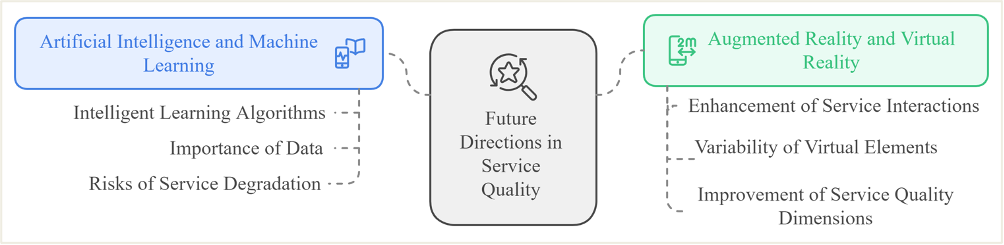
Figure 6: Future directions in service quality Source: Authors’ computation from literature (2024)
4.4.1. Artificial intelligence and machine learning
The subsequent developments are also related to the future. This implies that service quality experts must learn from the rapid progress in artificial intelligence (AI) and machine learning (ML). These fields are devoted to understanding and producing highly intelligent behaviour, building software and machines that solve complex problems, carrying out complicated tasks, and acting visibly intelligently. Intelligent learning algorithms can observe and learn from experience with various tasks (Davenport et al., 2020; Dwivedi et al., 2021, Nautwima et al., 2022). This study encourages the joining of many ML initiatives to develop more ingenious marketing theories and better methodologies in this field. Service quality is essential and foundational for marketing as an academic discipline, so marketing scholars cannot possibly be satisfied with repeated black-box solutions. Nonetheless, scientific knowledge is not static and should be replaced continually and systematically. One does not challenge AI if such an endeavour collides directly with fundamental organisational and human nature constraints that too many research initiatives seem to ignore (Lins et al., 2021; Santos et al., 2020; Tanrikulu, 2021; Wilson et al., 2020). However, without a doubt, AI and ML will significantly change; if not revolutionised, customer service and service interfaces are at large. However, the rapid spread of conversational marketing agents or bots in the service landscape bears the risk of increased service degradation and profound disillusionment, comparable to many overly optimistic chatbot attempts over the past decades (Bock et al., 2020; Hoyer et al., 2020; Tuncer et al., 2021).
4.4.2. Augmented reality and virtual reality in service quality
Virtual reality (VR) and augmented reality (AR) are poised to change the portfolio of service offerings in various industries significantly (Wang et al., 2021), amidst the deployment of artificial intelligence, which continues to transform our daily lives. Both can be defined as different types of mediated reality platforms. AR supplements the physical by adding virtual elements, whereas VR substitutes the physical environment of business transactions by providing a fully immersive virtual environment (Delgado et al., 2020), (Pencarelli, 2020). Mobile AR applications, particularly smartphones, are widespread and visible, driving consumer interest. The high standards required by VR for professional exploitation in modern service industries are yet to be established, and questions remain about the degree of maturity of this technology. Customers are looking for instant solutions and the perception of excellent service quality, which VR and AR can help to achieve (Kim & Lee, 2023; Pencarelli, 2020; Uzir et al., 2021).
Both enable companies to vary the range and quality of the virtual elements they offer within the context of the underlying physical realm, whether to facilitate game-based city tours, provide real estate agents with 3D floor plans, or allow sports fans to watch football games from different angles. In-person service interactions can be enhanced, supported, or eliminated through VR and AR, thereby increasing important service quality dimensions, such as reliability, responsiveness, assurance, and empathy (Davenport et al., 2020; Misischia et al., 2022). Accurate knowledge availability is expanded, allowing for a more manageable representation of complex ideas to sell more efficiently and have better-informed customers while offering users access to state-of-the-art visual communication technologies. Companies can present their fitted products as appealing commodities, which helps improve the confidence of their potential customers in both the brand and its associated tailor-made products. This promotion based on brand gestalt provides consumers with an improved sense of reliability, and brands do not have to use irrational persuading claims, which may harm the emotional trust of eco-sensitive consumers (Hilty et al., 2020; Jonassen & Carr, 2020; Wilson et al., 2020)..
5. Conclusion and Recommendations
This review paper traces the development of service quality found in the marketing literature, from traditional models like Grönroos and SERVQUAL measures used in the early days to modern multidimensional constructs driven by digitalisation and experience. Quality of service has evolved over time and expanded to include new dimensions driven by either technological advancements (e.g. service customisation) or changes in quality expectations concerning issues that traditional delivery perfection-tuning should encompass, like inclusion of AI-integrated-alternative touchpoints and social responsibility/sustainability. Future research should consider the three aspects of human-machine interaction, sustainability and value-co-creation logic at the heart of the service quality framework. The paper further contributes by illustrating how AR and VR can influence service delivery in the future while suggesting a more comprehensive value-creation approach for turbulent market conditions. The integrated lens of service quality could offer a better grasp of the complexity of service quality and meaningful strategic implications that scholars and business practitioners face while responding to threats and opportunities in an ever-competitive business environment.
5.1. Key findings and implications for marketing practice
This study provides valuable insights into past, present, and future marketing quality research. These findings show that the quest for excellent service delivery began several decades ago, and service quality has since become a determinant of customer satisfaction and loyalty. The results indicate that a trend towards further contextualisation and personalisation is emerging. Additionally, companies will become increasingly sustainable in the future. New management concepts reflect a society whose needs have changed compared with previous generations. Integrating new technologies into well-established service delivery progressively shapes customer experiences. Companies can further increase their service quality by providing digitally augmented services. The findings can guide companies' current and future service delivery strategies by focusing on integrating innovations and adapting to new customer needs.
Moreover, the findings can guide researchers in new areas of service quality research, thus fostering continuous improvements in service delivery. With the emergence of new technologies, an increasing trend in the service industry has focused on sustainability. Many companies are gradually promoting sustainability as the main feature of their service offerings, reflecting changing consumer preferences and an escalated need for sustainability in all areas of life. Sustainable thinking and socially responsible behaviour can add value to service quality and purchase decisions. The emergence of digital value creation suggests that integrating technology into service delivery as an indicator of excellent service quality is becoming increasingly important. This trend shows that researchers in recent years have shed light on how creative and innovative software can be used inside companies and organisations to develop co-creation with stakeholders to drive marketing and business outcomes. Overall, this study observes that service quality research in marketing has become highly diversified in research approaches, industries, regions, and potentially concerning subtopics. Given the emergence of new prospective customer behaviour, these dynamics may increasingly foster customer co-creation and competition in service quality supply across industries.
5.2. Limitations and future research directions
This review provides a long-view analysis of academic research on service quality in marketing, from its origins as a framework for improving customer satisfaction to its ongoing status as a vital construct in customer experience. However, the review is balanced with a handful of potential limitations that should be addressed in future research, including its exclusive use of traditional service quality models (even though this might limit how theory can be generalised into technology-intensive sectors where other theoretical frameworks offer greater relevance). In addition, heterogeneity in the definitions of quality and the scales for measuring service quality across studies hindered synthesis and could lead to bias and inconsistency. Another limitation is the deficiency of interdisciplinary considerations in this review, where research mainly from a marketing standpoint was considered, and contributions that might have emerged from other disciplines, such as operations management psychology or information systems, could provide deeper insights into an improved understanding of service quality. There were also issues with the ability to summarise the findings because of methodological diversity, from qualitative to empirical approaches, contributing to the robustness of the review’s conclusion. Finally, changes in consumer needs and technological developments have occurred over the period considered and may cause earlier findings to be outdated. This limitation reduces the comparability of historical knowledge.
As such, future work could address these limitations by adopting new theoretical lenses from adjacent disciplines (e.g., technology adoption models, consumer behaviour theories, and service-dominant logic) to capture the changing nature of service quality in digital and hybrid contexts. There is also an opportunity to create new contextualised appropriate service quality models, which can be tuned to differences in customer expectations whilst recognising sector-specific dimensions and where the importance or constructs such as "real-time service quality" or 'technology-enabled service excellence. As service delivery is now more than ever a globalising activity, future research should focus on improving the understanding of how cultural, economic, and regulatory forces contribute to service quality perceptions from a cross-cultural and multi-regional perspective. Additionally, because AI and automation are redefining service encounters, future research could further investigate the interplay between humans and AI agents in services (e.g., new service quality dimensions such as transparency/trust in AI). Future research should evaluate how service quality perceptions evolve using longitudinal and experimental designs, especially in dynamic industries such as fintech, telehealth, and e-commerce. Furthermore, industry-specific protocols directed at digital services, healthcare, and education can clarify operational practices and differences in customer demands. In summary, future research could focus on the increasing importance of sustainability by investigating how environmental and social responsibility practices are reflected in service quality models that focus on contemporary consumer values and ethical considerations.
5. References
- Aaker, D. A., & Moorman, C. (2023). Strategic market management (11th ed.). Wiley & Sons.
- Abbas, J. (2020). Impact of total quality management on corporate sustainability through the mediating effect of knowledge management. Journal of Cleaner Production, 244, 118806. https://doi.org/10.1016/j.jclepro.2019.118806
- Agostino, D., Arnaboldi, M., & D. Lema, M. (2021). New development: COVID-19 as an accelerator of digital transformation in public service delivery. Public Money & Management, 41(1), 69–72. https://doi.org/10.1080/09540962.2020.1764206
- Aheleroff, S., Mostashiri, N., Xu, X., & Zhong, R. Y. (2021). Mass personalisation as a service in industry 4.0: A resilient response case study. Advanced Engineering Informatics, 50, 101438. https://doi.org/10.1016/j.aei.2021.101438
- Ahunjonov, U., Asa, A. R., & Amonboyev, M. (2013). An empirical analysis of SME innovativeness characteristics in an emerging transition economy: The case of Uzbekistan. European Journal of Business and Management, 5(32), 129–135.
- Alam, S. S., & Islam, K. Z. (2021). Examining the role of environmental corporate social responsibility in building green corporate image and green competitive advantage. International Journal of Corporate Social Responsibility, 6(1), 8. https://doi.org/10.1186/s40991-020-00057-7
- Ali, B. J., et al. (2021). Impact of service quality on the customer satisfaction: Case study at online meeting platforms. Journal of Applied Research in Higher Education, 13(5), 65–77. https://doi.org/10.1108/JARHE-10-2020-0358
- Alkraiji, A., & Ameen, N. (2022). The impact of service quality, trust and satisfaction on young citizen loyalty towards government e-services. Information Technology & People. https://doi.org/10.1108/ITP-03-2021-0207
- Allam, Z., Sharifi, A., Bibri, S. E., Jones, D. S., & Krogstie, J. (2022). The metaverse as a virtual form of smart cities: Opportunities and challenges for environmental, economic, and social sustainability in urban futures. Smart Cities, 5(1), 144–161. https://doi.org/10.3390/smartcities5010010
- Al-Okaily, M., Lutfi, A., Alsaad, A., Taamneh, A., & Alsyouf, A. (2020). The determinants of digital payment systems’ acceptance under cultural orientation differences: The case of uncertainty avoidance. Technology in Society, 63, 101367. https://doi.org/10.1016/j.techsoc.2020.101367
- Alzoubi, H. M., & Inairat, M. (2020). Do perceived service value, quality, price fairness and service recovery shape customer satisfaction and delight? A practical study in the service telecommunication context. Uncertain Supply Chain Management, 8(3), 579–588. https://doi.org/10.5267/j.uscm.2020.6.006
- Alzoubi, H., Alshurideh, M., Kurdi, B., Akthis, I., & Aziz, R. (2022). Does BLE technology contribute towards improving marketing strategies, customers’ satisfaction and loyalty? The role of open innovation. International Journal of Data and Network Science, 6(2), 449–460. https://doi.org/10.5267/j.ijdns.2022.2.014
- Ameen, N., Tarhini, A., Reppel, A., & Anand, A. (2021). Customer experiences in the age of artificial intelligence. Journal of Retailing and Consumer Services, 58, 102308. https://doi.org/10.1016/j.jretconser.2020.102308
- Arsawan, I. W. E., Koval, V., Rajiani, I., Rustiarini, N. W., Supartha, W. G., & Suryantini, N. P. S. (2022). Leveraging knowledge sharing and innovation culture into SMEs sustainable competitive advantage. International Journal of Productivity and Performance Management, 71(2), 405–428. https://doi.org/10.1108/IJPPM-04-2020-0192
- Asa, A. R., Nautwima, J. P., & Villet, H. (2024, April). An integrated approach to sustainable competitive advantage. International Journal of Business and Society, 25(1), 201–222. https://doi.org/10.33736/ijbs.6907.2024
- Asa, A.R., Nautwima, J. P., & Khom-Oabes, J. (2023). The role of strategic change management in enhancing academic institutions’ sustainability. International Journal of Management Science and Business Administration, 9(3), 41-53. https://doi.org/10.18775/ijmsba.1849-5664-5419.2014.93.1004
- Aula, P., & Mantere, S. (2020). Strategic reputation management: Towards a company of good. Springer.
- Azeem, M., Ahmed, M., Haider, S., & Sajjad, M. (2021). Expanding competitive advantage through organizational culture, knowledge sharing and organizational innovation. Technology in Society, 65, 101476. https://doi.org/10.1016/j.techsoc.2021.101476
- Bacile, T. J. (2020). Digital customer service and customer-to-customer interactions: Investigating the effect of online incivility on customer perceived service climate. Journal of Service Management, 32(1), 105–122. https://doi.org/10.1108/JOSM-10-2019-0334
- Bag, S., Srivastava, G., Bashir, M. M. A., Kumari, S., Giannakis, M., & Chowdhury, A. H. (2022). Journey of customers in this digital era: Understanding the role of artificial intelligence technologies in user engagement and conversion. Benchmarking: An International Journal, 29(7), 2140–2162. https://doi.org/10.1108/BIJ-08-2021-0446
- Barnes, S. J., Mattsson, J., Sørensen, F., & Jensen, J. F. (2020). Measuring employee–tourist encounter experience value: A big data analytics approach. Expert Systems with Applications, 154, 113450. https://doi.org/10.1016/j.eswa.2020.113450
- Becker, L., & Jaakkola, E. (2020). Customer experience: Fundamental premises and implications for research. Journal of the Academy of Marketing Science, 48(4), 630–648. https://doi.org/10.1007/s11747-019-00718-x
- Bernritter, S. F., Ketelaar, P. E., & Sotgiu, F. (2021). Behaviorally targeted location-based mobile marketing. Journal of the Academy of Marketing Science, 49(4), 677–702. https://doi.org/10.1007/s11747-020-00749-w
- Bharadiya, J. P. (2023). A comparative study of business intelligence and artificial intelligence with big data analytics. American Journal of Artificial Intelligence, 7(1), 24–36. https://doi.org/10.1108/AJAI-05-2023-0036
- Bock, D. E., Wolter, J. S., & Ferrell, O. C. (2020). Artificial intelligence: Disrupting what we know about services. Journal of Services Marketing, 34(7), 861–869. https://doi.org/10.1108/JSM-01-2020-0023
- Borges, A. F., Laurindo, F. J., Spínola, M. M., Gonçalves, R. F., & Mattos, C. A. (2021). The strategic use of artificial intelligence in the digital era: Systematic literature review and future research directions. International Journal of Information Management, 57, 102225. https://doi.org/10.1016/j.ijinfomgt.2020.102225
- Bundy, J., Iqbal, F., & Pfarrer, M. D. (2021). Reputations in flux: How a firm defends its multiple reputations in response to different violations. Strategic Management Journal, 42(1), 132–156. https://doi.org/10.1002/smj.3227
- Busalim, A. H., & Ghabban, F. (2021). Customer engagement behaviour on social commerce platforms: An empirical study. Technology in Society, 64, 101437. https://doi.org/10.1016/j.techsoc.2021.101437
- Caiati, V., Rasouli, S., & Timmermans, H. (2020). Bundling, pricing schemes and extra features preferences for mobility as a service: Sequential portfolio choice experiment. Transportation Research Part A: Policy and Practice, 131, 123–148. https://doi.org/10.1016/j.tra.2019.09.043
- Chai, J., Hao, Y., Wu, H., & Yang, Y. (2021). Do constraints created by economic growth targets benefit sustainable development? Evidence from China. Business Strategy and the Environment, 30(8), 4188–4205. https://doi.org/10.1002/bse.2862
- Chandler, D. (2022). Strategic corporate social responsibility: Sustainable value creation. Sage Publications.
- Chandra, S., Verma, S., Lim, W. M., Kumar, S., & Donthu, N. (2022). Personalization in personalized marketing: Trends and ways forward. Psychology & Marketing, 39(8), 1529–1562. https://doi.org/10.1002/mar.21667
- Chen, C. L., Lin, Y. C., Chen, W. H., Chao, C. F., & Pandia, H. (2021). Role of government to enhance digital transformation in small service business. Sustainability, 13(3), 1462. https://doi.org/10.3390/su13031462
- Cheng, M., Liu, J., Qi, J., & Wan, F. (2021). Differential effects of firm generated content on consumer digital engagement and firm performance: An outside-in perspective. Industrial Marketing Management, 94, 208–220. https://doi.org/10.1016/j.indmarman.2020.03.012
- Chiarini, A. (2020). Industry 4.0, quality management and TQM world: A systematic literature review and a proposed agenda for further research. The TQM Journal, 32(4), 603–616. https://doi.org/10.1108/TQM-04-2020-0093
- Chuah, S. H. W., El-Manstrly, D., Tseng, M. L., & Ramayah, T. (2020). Sustaining customer engagement behavior through corporate social responsibility: The roles of environmental concern and green trust. Journal of Cleaner Production, 262, 121348. https://doi.org/10.1016/j.jclepro.2020.121348
- Chylinski, M., Heller, J., Hilken, T., Keeling, D. I., Mahr, D., & Ruyter, K. (2020). Augmented reality marketing: A technology-enabled approach to situated customer experience. Australasian Marketing Journal, 28(4), 374–384. https://doi.org/10.1016/j.ausmj.2020.05.004
- Cliquet, G., & Baray, J. (2020). Location-based marketing: Geomarketing and geolocation. Wiley & Sons.
- Dam, S. M., & Dam, T. C. (2021). Relationships between service quality, brand image, customer satisfaction, and customer loyalty. Journal of Asian Finance, Economics and Business, 8(3), 585–593. https://doi.org/10.13106/jafeb.2021.vol8.no3.0585
- Davenport, T., Guha, A., Grewal, D., & Bressgott, T. (2020). How artificial intelligence will change the future of marketing. Journal of the Academy of Marketing Science, 48, 24–42. https://doi.org/10.1007/s11747-019-00696-0
- Delgado, J. M. D., Oyedele, L., Beach, T., & Demian, P. (2020). Augmented and virtual reality in construction: Drivers and limitations for industry adoption. Journal of Construction Engineering and Management, 146(7), 04020079. https://doi.org/10.1061/(ASCE)CO.1943-7862.0001867
- Demir, A., Maroof, L., Sabbah Khan, N. U., & Ali, B. J. (2021). The role of e-service quality in shaping online meeting platforms: A case study from the higher education sector. Journal of Applied Research in Higher Education, 13(5), 1436–1463. https://doi.org/10.1108/JARHE-09-2020-0313
- Dey, M., Bhattacharjee, S., Mahmood, M., Uddin, M. A., & Biswas, S. R. (2022). Ethical leadership for better sustainable performance: Role of employee values, behavior and ethical climate. Journal of Cleaner Production, 337, 130527. https://doi.org/10.1016/j.jclepro.2022.130527
- Distanont, A. (2020). The role of innovation in creating a competitive advantage. Kasetsart Journal of Social Sciences, 41(1), 150–157. https://doi.org/10.1016/j.kjss.2019.12.007
- Du, R. Y., Netzer, O., Schweidel, D. A., & Mitra, D. (2021). Capturing marketing information to fuel growth. Journal of Marketing, 85(1), 163–183. https://doi.org/10.1177/0022242920957588
- Dwivedi, Y. K., et al. (2021). Artificial intelligence (AI): Multidisciplinary perspectives on emerging challenges, opportunities, and agenda for research, practice and policy. International Journal of Information Management, 57, 101994. https://doi.org/10.1016/j.ijinfomgt.2019.101994
- Fader, P. (2020). Customer centricity: Focus on the right customers for strategic advantage. University of Pennsylvania Press.
- Farida, I., & Setiawan, D. (2022). Business strategies and competitive advantage: The role of performance and innovation. Journal of Open Innovation: Technology, Market, and Complexity, 8(3), 163. https://doi.org/10.3390/joitmc8030163
- Farooq, Q., Liu, X., Fu, P., & Hao, Y. (2020). Volunteering sustainability: An advancement in corporate social responsibility conceptualization. Corporate Social Responsibility and Environmental Management, 27(6), 2450–2464. https://doi.org/10.1002/csr.1934
- Ferrarini, G. (2021). Redefining corporate purpose: Sustainability as a game changer. In Sustainable finance in Europe: Corporate governance, financial stability and financial markets (pp. 85–150). Springer. https://doi.org/10.1007/978-3-030-76382-6_4
- Field, J. M., et al. (2021). Service research priorities: Designing sustainable service ecosystems. Journal of Service Research, 24(4), 462–479. https://doi.org/10.1177/10946705211004851
- Filieri, R., Lin, Z., Li, Y., Lu, X., & Yang, X. (2022). Customer emotions in service robot encounters: A hybrid machine–human intelligence approach. Journal of Service Research, 25(4), 614–629. https://doi.org/10.1177/10946705211061759
- Gamage, S. K. N., Ekanayake, E. M. S., Abeyrathne, G. A. K. N. J., Prasanna, R. P. I. R., Jayasundara, J. M. S. B., & Rajapakshe, P. S. K. (2020). A review of global challenges and survival strategies of small and medium enterprises (SMEs). Economies, 8(4), 79. https://doi.org/10.3390/economies8040079
- Gebauer, H., et al. (2020). How to convert digital offerings into revenue enhancement: Conceptualizing business model dynamics through explorative case studies. Industrial Marketing Management, 91, 429–441. https://doi.org/10.1016/j.indmarman.2020.10.008
- Goldstein, A. P., & Michaels, G. Y. (2021). Empathy: Development, training, and consequences. Routledge.
- Grewal, D., Hulland, J., Kopalle, P. K., & Karahanna, E. (2020). The future of technology and marketing: A multidisciplinary perspective. Journal of the Academy of Marketing Science, 48(1), 1–8. https://doi.org/10.1007/s11747-019-00733-7
- Grönroos, C. (1984). A service quality model and its marketing implications. European Journal of Marketing, 18(4), 36–44. https://doi.org/10.1108/EUM0000000004784
- Grzegorczyk, M., Mariniello, M., Nurski, L., & Schraepen, T. (2021). Blending the physical and virtual: A hybrid model for the future of work. Econstor Discussion Papers, 17, 1–23. https://doi.org/10.2139/ssrn.3774171
- Guidon, S., Wicki, M., Bernauer, T., & Axhausen, K. (2020). Transportation service bundling: For whose benefit? Consumer valuation of pure bundling in the passenger transportation market. Transportation Research Part A: Policy and Practice, 131, 91–106. https://doi.org/10.1016/j.tra.2019.09.052
- Haddaway, N. R., Page, M. J., Pritchard, C. C., & McGuinness, L. A. (2022). PRISMA2020: An R package and Shiny app for producing PRISMA 2020-compliant flow diagrams, with interactivity for optimised digital transparency. Campbell Systematic Reviews, 18, 1230. https://doi.org/10.1002/cl2.1230
- Hajli, M. N. (2014, September). The role of social support on relationship quality and social commerce. Technological Forecasting and Social Change, 87, 17–27. https://doi.org/10.1016/j.techfore.2014.05.012
- Haleem, A., Javaid, M., Qadri, M. A., Singh, R. P., & Suman, R. (2022). Artificial intelligence (AI) applications for marketing: A literature-based study. International Journal of Intelligent Networks, 3, 119–132. https://doi.org/10.1016/j.ijin.2021.12.001
- Halkos, G., & Nomikos, S. (2021). Corporate social responsibility: Trends in global reporting initiative standards. Economic Analysis and Policy, 69, 106–117. https://doi.org/10.1016/j.eap.2021.01.002
- Harari, M. B., Parola, H. R., Hartwell, C. J., & Riegelman, A. (2020). Literature searches in systematic reviews and meta-analyses: A review, evaluation, and recommendations. Journal of Vocational Behavior, 118, 103377. https://doi.org/10.1016/j.jvb.2020.103377
- He, H., & Harris, L. (2020). The impact of Covid-19 pandemic on corporate social responsibility and marketing philosophy. Journal of Business Research, 116, 176–182. https://doi.org/10.1016/j.jbusres.2020.05.030
- Herhausen, D., Emrich, O., Grewal, D., Kipfelsberger, P., & Schoegel, M. (2020). Face forward: How employees’ digital presence on service websites affects customer perceptions of website and employee service quality. Journal of Marketing Research, 57(5), 917–936. https://doi.org/10.1177/0022243720947398
- Hilty, D. M., et al. (2020). A review of telepresence, virtual reality, and augmented reality applied to clinical care. Journal of Technology in Behavioral Science, 5, 178–205. https://doi.org/10.1007/s41347-020-00151-3
- Hoehle, H., Venkatesh, V., Brown, S. A., Tepper, B. J., & Kude, T. (2022). Impact of customer compensation strategies on outcomes and the mediating role of justice perceptions: A longitudinal study of Target’s data breach. MIS Quarterly, 46(1), 473–502. https://doi.org/10.25300/MISQ/2022/14521
- Hoffman, D. L., Moreau, C. P., Stremersch, S., & Wedel, M. (2022). The rise of new technologies in marketing: A framework and outlook. Journal of Marketing, 86(1), 1–6. https://doi.org/10.1177/00222429211052406
- Howley, E. T., & Thompson, D. L. (2022). Fitness professional’s handbook (7th ed.). Human Kinetics.
- Hoyer, W. D., Kroschke, M., Schmitt, B., Kraume, K., & Shankar, V. (2020). Transforming the customer experience through new technologies. Journal of Interactive Marketing, 51, 57–71. https://doi.org/10.1016/j.intmar.2020.04.001
- Huang, H. (2022). Location-based services. In Springer handbook of geographic information. Springer.
- Huang, M. H., & Rust, R. T. (2021). Engaged to a robot? The role of AI in service. Journal of Service Research, 24(1), 30–41. https://doi.org/10.1177/1094670520902266
- Iglesias, O., Markovic, S., Bagherzadeh, M., & Singh, J. J. (2020). Co-creation: A key link between corporate social responsibility, customer trust, and customer loyalty. Journal of Business Ethics, 163, 151–166. https://doi.org/10.1007/s10551-018-4015-y
- Islam, T., et al. (2021). The impact of corporate social responsibility on customer loyalty: The mediating role of corporate reputation, customer satisfaction, and trust. Sustainable Production and Consumption, 25, 123–135. https://doi.org/10.1016/j.spc.2020.07.019
- Islami, X., Mustafa, N., & Topuzovska Latkovikj, M. (2020). Linking Porter’s generic strategies to firm performance. Future Business Journal, 6, 1–15. https://doi.org/10.1186/s43093-020-0009-1
- Javed, M., Rashid, M. A., Hussain, G., & Ali, H. Y. (2020). The effects of corporate social responsibility on corporate reputation and firm financial performance: Moderating role of responsible leadership. Corporate Social Responsibility and Environmental Management, 27(3), 1395–1409. https://doi.org/10.1002/csr.1892
- Jian, Y., Yu, I. Y., Yang, M. X., & Zeng, K. J. (2020). The impacts of fear and uncertainty of COVID-19 on environmental concerns, brand trust, and behavioral intentions toward green hotels. Sustainability, 12(20), 8688. https://doi.org/10.3390/su12208688
- Jilani, G., Yang, G., & Siddique, I. (2021). Corporate social responsibility and pro-environmental behavior of the individuals from the perspective of protection motivation theory. Sustainability, 13(23), 13406. https://doi.org/10.3390/su132313406
- Jonassen, D. H., & Carr, C. S. (2020). Mindtools: Affording multiple knowledge representations for learning. Springer.
- Joshi, R., & Garg, P. (2021). Role of brand experience in shaping brand love. International Journal of Consumer Studies, 45(2), 259–272. https://doi.org/10.1111/ijcs.12619
- Kalbach, J. (2020). Mapping experiences: A complete guide to creating value through journeys, blueprints, and diagrams (2nd ed.). O’Reilly Media.
- Kar, A. K., Kumar, S., & Ilavarasan, P. V. (2021). Modelling the service experience encounters using user-generated content: A text mining approach. Global Journal of Flexible Systems Management, 22(4), 267–288. https://doi.org/10.1007/s40171-021-00283-7
- Kashef, M., Visvizi, A., & Troisi, O. (2021). Smart city as a smart service system: Human-computer interaction and smart city surveillance systems. Computers in Human Behavior, 124, 106923. https://doi.org/10.1016/j.chb.2021.106923
- Keiningham, T., et al. (2020). Customer experience-driven business model innovation. Journal of Business Research, 116, 431–440. https://doi.org/10.1016/j.jbusres.2020.01.058
- Khan, R. U., Salamzadeh, Y., Iqbal, Q., & Yang, S. (2022). The impact of customer relationship management and company reputation on customer loyalty: The mediating role of customer satisfaction. Journal of Relationship Marketing, 21(1), 1–26. https://doi.org/10.1080/15332667.2021.2000468
- Kim, S., & Lee, K. (2023). The paradigm shift of mass customisation research. International Journal of Production Research, 61(10), 3350–3376. https://doi.org/10.1080/00207543.2022.2119776
- Kopalle, P. K., Kumar, V., & Subramaniam, M. (2020). How legacy firms can embrace the digital ecosystem via digital customer orientation. Journal of the Academy of Marketing Science, 48(1), 114–131. https://doi.org/10.1007/s11747-019-00675-0
- Kumar, V., Ramachandran, D., & Kumar, B. (2021). Influence of new-age technologies on marketing: A research agenda. Journal of Business Research, 125, 864–877. https://doi.org/10.1016/j.jbusres.2020.09.034
- Labrecque, L. I., Markos, E., Swani, K., & Peña, P. (2021). When data security goes wrong: Examining the impact of stress, social contract violation, and data type on consumer coping responses following a data breach. Journal of Business Research, 126, 284–298. https://doi.org/10.1016/j.jbusres.2021.02.025
- Lee, S. M., & Lee, D. H. (2020). Untact: A new customer service strategy in the digital age. Service Business, 14, 1–22. https://doi.org/10.1007/s11628-020-00408-2
- Lee, S. M., & Lee, D. H. (2021). Opportunities and challenges for contactless healthcare services in the post-COVID-19 era. Technological Forecasting and Social Change, 167, 120712. https://doi.org/10.1016/j.techfore.2021.120712
- Li, H., Liu, H., Shin, H. H., & Ji, H. (2024). Impacts of user-generated images in online reviews on customer engagement: A panel data analysis. Tourism Management. https://doi.org/10.1016/j.tourman.2024.104022
- Li, X., et al. (2020). Quality of primary health care in China: Challenges and recommendations. The Lancet, 395(10239), 1802–1812. https://doi.org/10.1016/S0140-6736(20)30122-7
- Li, Y., & Shang, H. (2020). Service quality, perceived value, and citizens’ continuous-use intention regarding e-government: Empirical evidence from China. Information & Management, 57(3), 103197. https://doi.org/10.1016/j.im.2019.103197
- Lim, W. M., Yap, S.-F., & Makkar, M. (2021). Home sharing in marketing and tourism at a tipping point: What do we know, how do we know, and where should we be heading? Journal of Business Research, 122, 534–566. https://doi.org/10.1016/j.jbusres.2020.08.051
- Lins, S., Pandl, K. D., Teigeler, H., Thiebes, S., Bayer, C., & Sunyaev, A. (2021). Artificial intelligence as a service: Classification and research directions. Business & Information Systems Engineering, 63(4), 441–456. https://doi.org/10.1007/s12599-021-00707-z
- Manser Payne, E. H., Dahl, A. J., & Peltier, J. (2021). Digital servitization value co-creation framework for AI services: A research agenda for digital transformation in financial service ecosystems. Journal of Research in Interactive Marketing, 15(2), 200–222. https://doi.org/10.1108/JRIM-06-2020-0125
- Mariani, M. M., Perez‐Vega, R., & Wirtz, J. (2022). AI in marketing, consumer research and psychology: A systematic literature review and research agenda. Psychology & Marketing, 39(1), 1–26. https://doi.org/10.1002/mar.21628
- Medberg, G., & Grönroos, C. (2020). Value-in-use and service quality: Do customers see a difference? Journal of Service Theory and Practice, 30(4), 507–529. https://doi.org/10.1108/JSTP-09-2019-0197
- Misischia, C. V., Poecze, F., & Strauss, C. (2022). Chatbots in customer service: Their relevance and impact on service quality. Procedia Computer Science, 200, 691–698. https://doi.org/10.1016/j.procs.2022.01.080
- Mohammad, J., Quoquab, F., Thurasamy, R., & Alolayyan, M. N. (2020). The effect of user-generated content quality on brand engagement: The mediating role of functional and emotional values. Journal of Electronic Commerce Research, 21(1), 39–55. https://doi.org/10.7903/jocr.1989
- Morrison, A. M. (2022). Hospitality and travel marketing (8th ed.). Cengage Learning.
- Muharam, H., Chaniago, H., Endraria, E., & Harun, A. B. (2021). E-service quality, customer trust and satisfaction: Market place consumer loyalty analysis. Jurnal Minds: Manajemen Ide dan Inspirasi, 8(2), 237–254. https://doi.org/10.24252/minds.v8i2.23872
- Nadeem, W., Juntunen, M., Shirazi, F., & Hajli, N. (2020). Consumers’ value co-creation in sharing economy: The role of social support, consumers’ ethical perceptions and relationship quality. Technological Forecasting and Social Change, 151, 119786. https://doi.org/10.1016/j.techfore.2019.119786
- Nam, H., & Kannan, P. K. (2020). Digital environment in global markets: Cross-cultural implications for evolving customer journeys. Journal of International Marketing, 28(1), 28–47. https://doi.org/10.1177/1069031X19896859
- Nasiri, M. S., & Shokouhyar, S. (2021). Actual consumers’ response to purchase refurbished smartphones: Exploring perceived value from product reviews in online retailing. Journal of Retailing and Consumer Services, 61, 102569. https://doi.org/10://doi.org/10.1016/j.jretconser.2021.102569
- Nautwima, J. P., & Asa, A. R. (2022). The impact of quality service on customer satisfaction in the banking sector amidst Covid-19 pandemic: A literature review for the state of current knowledge. International Journal of Management Science and Business Administration, 8(3), 31–38. https://doi.org/10.18775/ijmsba.1849-5664-5419.2014.83.1004
- Nautwima, J. P., & Asa, A. R. (2022). Exploring the challenges and factors impeding effective public service delivery at a municipality in Namibia. International Journal of Innovation in Economics and Development, 8(5), 15–24. https://doi.org/10.18775/ijied.1849-7551-7020.2015.85.2002
- Nautwima, J. P., Asa, A. R., & Nendongo, V. P. (2022). Integrating gamification into middle school Mathematics curriculum : Game-based learning approach in Namibia. International Journal of Operations Management, 2(4), 7–19. https://doi.org/10.18775/ijom.2757-0509.2020.24.4001
- Nautwima, J. P., Obrenovic, B., Asa, A. R., Johannes, H. N., & Abueva, N. (2025). Determinants of technology adoption in small and medium-sized enterprises. Sustainable Futures, 10(100919). https://doi.org/10.1016/j.sftr.2025.100919
- Ngarmwongnoi, C., Oliveira, J. S., AbedRabbo, M., & Mousavi, S. (2020). The implications of eWOM adoption on the customer journey. Journal of Consumer Marketing, 37(7), 749–759. https://doi.org/10.1108/JCM-03-2020-3677
- Nunkoo, R., Teeroovengadum, V., Ringle, C. M., & Sunnassee, V. (2020). Service quality and customer satisfaction: The moderating effects of hotel star rating. International Journal of Hospitality Management, 91, 102414. https://doi.org/10.1016/j.ijhm.2019.102414
- Osler, L. (2024). Taking empathy online: A study on the impacts of digital interaction. Routledge.
- Ostrom, A. L., et al. (2021). Service research priorities: Managing and delivering service in turbulent times. Journal of Service Research, 24(3), 329–353. https://doi.org/10.1177/10946705211003340
- Paley, N. (2021). The manager’s guide to competitive marketing strategies (5th ed.). Routledge.
- Pallant, J., Sands, S., & Karpen, I. (2020). Product customization: A profile of consumer demand. Journal of Retailing and Consumer Services, 54, 102030. https://doi.org/10.1016/j.jretconser.2019.102030
- Pan, Y., & Wu, D. (2020). A novel recommendation model for online-to-offline service based on the customer network and service location. Journal of Management Information Systems, 37(1), 97–123. https://doi.org/10.1080/07421222.2020.1712457
- Parasuraman, A., Zeithaml, V. A., & Berry, L. L. (1988). SERVQUAL: A multiple-item scale for measuring consumer perceptions of service quality. Journal of Retailing, 64(1), 12–40.
- Pencarelli, T. (2020). The digital revolution in the travel and tourism industry. Information Technology & Tourism, 22(3), 455–476. https://doi.org/10.1007/s40558-019-00160-3
- Periyasami, S., & Periyasamy, A. P. (2022). Metaverse as future promising platform business model: Case study on fashion value chain. Businesses, 2(4), 527–545. https://doi.org/10.3390/businesses2040031
- Pfajfar, G., Shoham, A., Małecka, A., & Zalaznik, M. (2022). Value of corporate social responsibility for multiple stakeholders and social impact – Relationship marketing perspective. Journal of Business Research, 143, 46–61. https://doi.org/10.1016/j.jbusres.2022.01.041
- Prentice, C., & Nguyen, M. (2020). Engaging and retaining customers with AI and employee service. Journal of Retailing and Consumer Services, 56, 102186. https://doi.org/10.1016/j.jretconser.2020.102186
- Ranchordas, S. (2021). Empathy in the digital administrative state. Duke Law Journal, 71(1), 53–104. https://scholarship.law.duke.edu/dlj/vol71/iss1/2
- Rangaswamy, A., Moch, N., Felten, C., Bruggen, G., Wieringa, J. E., & Wirtz, J. (2020). The role of marketing in digital business platforms. Journal of Interactive Marketing, 51, 72–90. https://doi.org/10.1016/j.intmar.2020.04.006
- Raza, S. A., Umer, A., Qureshi, M. A., & Dahri, A. S. (2020). Internet banking service quality, e-customer satisfaction and loyalty: The modified e-SERVQUAL model. The TQM Journal, 32(6), 1443–1466. https://doi.org/10.1108/TQM-02-2020-0019
- Ren, Y., Choe, Y., & Song, H. (2023). Antecedents and consequences of brand equity: Evidence from Starbucks coffee brand. International Journal of Hospitality Management, 108, 103351. https://doi.org/10.1016/j.ijhm.2023.103351
- Ribeiro, J., Lima, R., Eckhardt, T., & Paiva, S. (2021). Robotic process automation and artificial intelligence in industry 4.0: A literature review. Procedia Computer Science, 181, 51–58. https://doi.org/10.1016/j.procs.2021.01.110
- Rosário, A., & Raimundo, R. (2021). Consumer marketing strategy and e-commerce in the last decade: A literature review. Journal of Theoretical and Applied Electronic Commerce Research, 16(7), 3003–3024. https://doi.org/10.3390/jtaer16070165
- Ruiz-Mallén, I., & Heras, M. (2020). What sustainability? Higher education institutions’ pathways to reach the agenda 2030 goals. Sustainability, 12(4), 1290. https://doi.org/10.3390/su12041290
- Rust, R. T. (2020). The future of marketing. International Journal of Research in Marketing, 37(1), 15–26. https://doi.org/10.1016/j.ijresmar.2019.08.002
- Sandberg, J., Holmström, J., & Lyytinen, K. (2020). Digitization and phase transitions in platform organizing logics: Evidence from the process automation industry. MIS Quarterly, 44(1), 129–153. https://doi.org/10.25300/MISQ/2020/14403
- Santos, G., Marques, C. S., Justino, E., & Mendes, L. (2020). Understanding social responsibility’s influence on service quality and student satisfaction in higher education. Journal of Cleaner Production, 256, 120597. https://doi.org/10.1016/j.jclepro.2020.120597
- Sharma, A. P. (2021). Consumers’ purchase behaviours and green marketing: A synthesis, review and agenda. International Journal of Consumer Studies, 45(4), 1095–1119. https://doi.org/10.1111/ijcs.12689
- Sharma, P., Leung, T. Y., Kingshott, R. P., Davcik, N. S., & Cardinali, S. (2020). Managing uncertainty during a global pandemic: An international business perspective. Journal of Business Research, 116, 188–192. https://doi.org/10.1016/j.jbusres.2020.05.026
- Shayan, F. N., Mohabbati-Kalejahi, N., Alavi, S., & Zahed, M. A. (2022). Sustainable development goals (SDGs) as a framework for corporate social responsibility (CSR). Sustainability, 14(3), 1222. https://doi.org/10.3390/su14031222
- Sheth, J. N., & Parvatiyar, A. (2021). Sustainable marketing: Market-driving, not market-driven. Journal of Macromarketing, 41(1), 150–165. https://doi.org/10.1177/0276146720985184
- Shokouhyar, S., Shokoohyar, S., & Safari, S. (2020). Research on the influence of after-sales service quality factors on customer satisfaction. Journal of Retailing and Consumer Services, 56, 102139. https://doi.org/10.1016/j.jretconser.2020.102139
- Siebert, A., Gopaldas, A., Lindridge, A., & Simões, C. (2020). Customer experience journeys: Loyalty loops versus involvement spirals. Journal of Marketing, 84(4), 45–66. https://doi.org/10.1177/0022242920934499
- Sima, V., Gheorghe, I. G., Subić, J., & Nancu, D. (2020). Influences of the industry 4.0 revolution on the human capital development and consumer behavior: A systematic review. Sustainability, 12(10), 4035. https://doi.org/10.3390/su12104035
- Singh, K., & Misra, M. (2021). Linking corporate social responsibility (CSR) and organizational performance: The moderating effect of corporate reputation. European Research on Management and Business Economics, 27(1), 100139. https://doi.org/10.1016/j.iedeen.2020.100139
- Stonig, J., Schmid, T., & Müller‐Stewens, G. (2022). From product system to ecosystem: How firms adapt to provide an integrated value proposition. Strategic Management Journal, 43(9), 1707–1729. https://doi.org/10.1002/smj.3385
- Suartika, G. A. M., & Cuthbert, A. (2020). The sustainable imperative—Smart cities, technology and development. Sustainability, 12(21), 8892. https://doi.org/10.3390/su12218892
- Suchek, N., Fernandes, C. I., Kraus, S., Filser, M., & Sjögrén, H. (2021). Innovation and the circular economy: A systematic literature review. Business Strategy and the Environment, 30(8), 3686–3702. https://doi.org/10.1002/bse.2834
- Swaminathan, V., Sorescu, A., Steenkamp, J. B. E., O’Guinn, T. C. G., & Schmitt, B. (2020). Branding in a hyperconnected world: Refocusing theories and rethinking boundaries. Journal of Marketing, 84(2), 24–46. https://doi.org/10.1177/0022242919899905
- Taeuscher, K., Zhao, E. Y., & Lounsbury, M. (2022). Categories and narratives as sources of distinctiveness: Cultural entrepreneurship within and across categories. Strategic Management Journal, 43(10), 2101–2134. https://doi.org/10.1002/smj.3401
- Tanrikulu, C. (2021). Theory of consumption values in consumer behavior research: A review and future research agenda. International Journal of Consumer Studies, 45(4), 695–715. https://doi.org/10.1111/ijcs.12645
- Tien, N. H., & Huong, L. T. M. (2023). Factors affecting customers satisfaction on public internet service quality in Vietnam. International Journal of Public Sector Performance Management, 1(1), 10057939. https://doi.org/10.1504/IJPSPM.2023.10057939
- Tschang, F. T., & Almirall, E. (2021). Artificial intelligence as augmenting automation: Implications for employment. Academy of Management Perspectives, 35(4), 586–605. https://doi.org/10.5465/amp.2020.0066
- Tu, Y., & Wu, W. (2021). How does green innovation improve enterprises’ competitive advantage? The role of organizational learning. Sustainable Production and Consumption, 28, 775–787. https://doi.org/10.1016/j.spc.2021.06.005
- Tuncer, I., Unusan, C., & Cobanoglu, C. (2021). Service quality, perceived value and customer satisfaction on behavioral intention in restaurants: An integrated structural model. Journal of Quality Assurance in Hospitality & Tourism, 22(4), 447–475. https://doi.org/10.1080/1528008X.2021.1910970
- Udovita, P. V. M. V. D. (2020). Conceptual review on dimensions of digital transformation in the modern era. International Journal of Scientific and Research Publications, 10(2), 520–529. https://doi.org/10.29322/IJSRP.10.02.2020.p9896
- Uzir, M. U. H., et al. (2021). The effects of service quality, perceived value and trust in home delivery service personnel on customer satisfaction: Evidence from a developing country. Journal of Retailing and Consumer Services, 63, 102721. https://doi.org/10.1016/j.jretconser.2021.102721
- Uzir, M. U. H., Jerin, I., Al Halbusi, H., Hamid, A. B. A., & Latiff, A. S. A. (2020). Does quality stimulate customer satisfaction where perceived value mediates and the usage of social media moderates? Heliyon, 6(9), e04977. https://doi.org/10.1016/j.heliyon.2020.e04977
- Wang, P., et al. (2021). AR/MR remote collaboration on physical tasks: A review. Robotics and Computer-Integrated Manufacturing, 72, 102071. https://doi.org/10.1016/j.rcim.2021.102071
- Wassouf, W. N., Alkhatib, R., Salloum, K., & Balloul, S. (2020). Predictive analytics using big data for increased customer loyalty: Syriatel Telecom Company case study. Journal of Big Data, 7(1), 44. https://doi.org/10.1186/s40537-020-00327-x
- Wilson, A., Zeithaml, V., Bitner, M. J., & Gremler, D. (2020). Services marketing: Integrating customer focus across the firm (4th ed.). McGraw-Hill.
- Witell, L., et al. (2020). Characterizing customer experience management in business markets. Journal of Business Research, 116, 420–430. https://doi.org/10.1016/j.jbusres.2019.09.050
- Wong, A. K. F., Kim, S. S., Lee, S., & Elliot, S. (2021). An application of Delphi method and analytic hierarchy process in understanding hotel corporate social responsibility performance scale. In T. Oates & D. Starks (Eds.), Sustainable consumer behaviour and the environment (pp. 133–159). Springer. https://doi.org/10.1007/978-3-030-74253-1_10
- Woo, E. J., & Kang, E. (2020). Environmental issues as an indispensable aspect of sustainable leadership. Sustainability, 12(17), 7014. https://doi.org/10.3390/su12177014
- Wu, L., Fan, A., Yang, Y., & He, Z. (2022). Tech-touch balance in the service encounter: The impact of supplementary human service on consumer responses. International Journal of Hospitality Management, 101, 103122. https://doi.org/10.1016/j.ijhm.2022.103122
- Xi, N., Chen, J., Gama, F., Riar, M., & Hamari, J. (2023). The challenges of entering the metaverse: An experiment on the effect of extended reality on workload. Information Systems Frontiers. https://doi.org/10.1007/s10796-023-10295-8
- Xu, J. (David), Benbasat, I., & Cenfetelli, R. T. (2013, March). Integrating service quality with system and information quality: An empirical test in the e-service context. MIS Quarterly, 37(3), 777–794. https://doi.org/10.25300/MISQ/2013/37.3.05
- Zeithaml, V. A., Verleye, K., Hatak, I., Koller, M., & Zauner, A. (2020). Three decades of customer value research: Paradigmatic roots and future research avenues. Journal of Service Research, 23(4), 409–432. https://doi.org/10.1177/1094670520948134
- Zhang, M., Sun, L., Qin, F., & Wang, G. A. (2021). E-service quality on live streaming platforms: Swift guanxi perspective. Journal of Services Marketing, 35(3), 312–324. https://doi.org/10.1108/JSM-02-2020-0068
- Zhong, Y., & Moon, H. C. (2020). What drives customer satisfaction, loyalty, and happiness in fast-food restaurants in China? Perceived price, service quality, food quality, physical environment quality. Foods, 9(4), 460. https://doi.org/10.3390/foods9040460